📄 Image Metadata
View or remove EXIF, IPTC, and GPS data from images quickly and securely.
How to use
Last updated: a year ago
Step-by-Step Guide to Using the Image Metadata
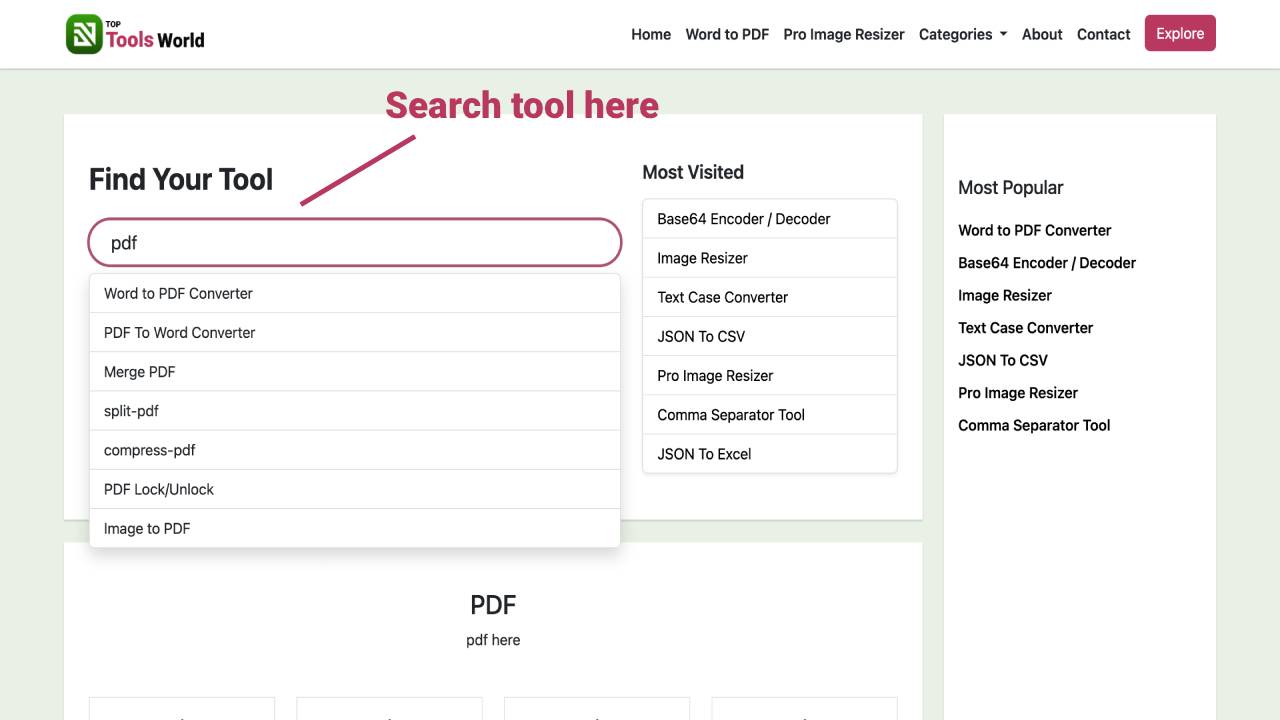
- Open the Image Metadata tool on Top Tools World. You’ll see a clean, simple workspace designed for fast analysis and privacy-friendly cleanup.
- Prepare your image. Supported formats include JPG/JPEG, PNG, and WEBP. For the best results, use the highest-quality version of your photo.
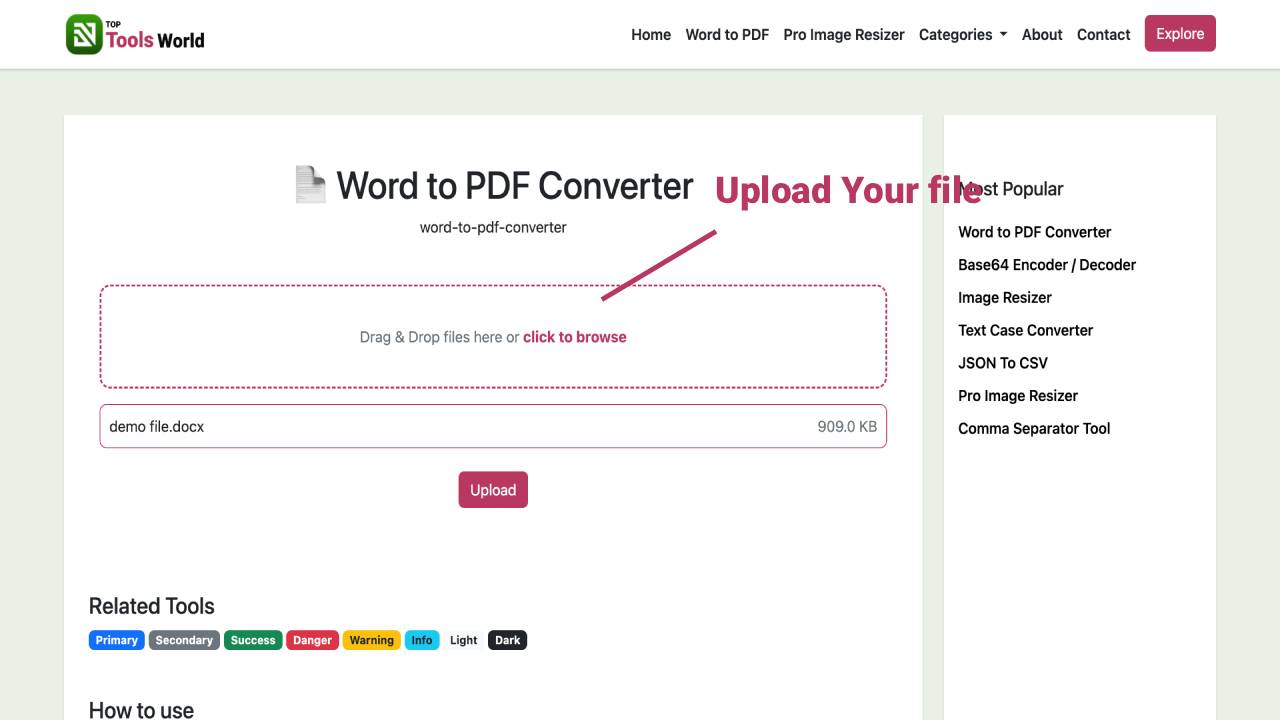
- Select your image. Click to choose a file from your device and confirm. You’ll immediately see that the file is ready to be processed.
- Choose what you want to do. Pick either "View Metadata" to inspect details like camera model, date, or GPS, or select "Remove Metadata" to strip sensitive information before sharing.
- Start the process. Begin analysis or cleaning with a single click. The tool is optimized to complete tasks in seconds.
- Watch the progress indicator. A clear progress bar shows exactly how far along the process is so you always know what’s happening.
- Review your results. If you chose to view details, you’ll see readable metadata such as EXIF, IPTC, and XMP fields neatly presented. If you chose to remove data, you’ll see a preview of the cleaned image.
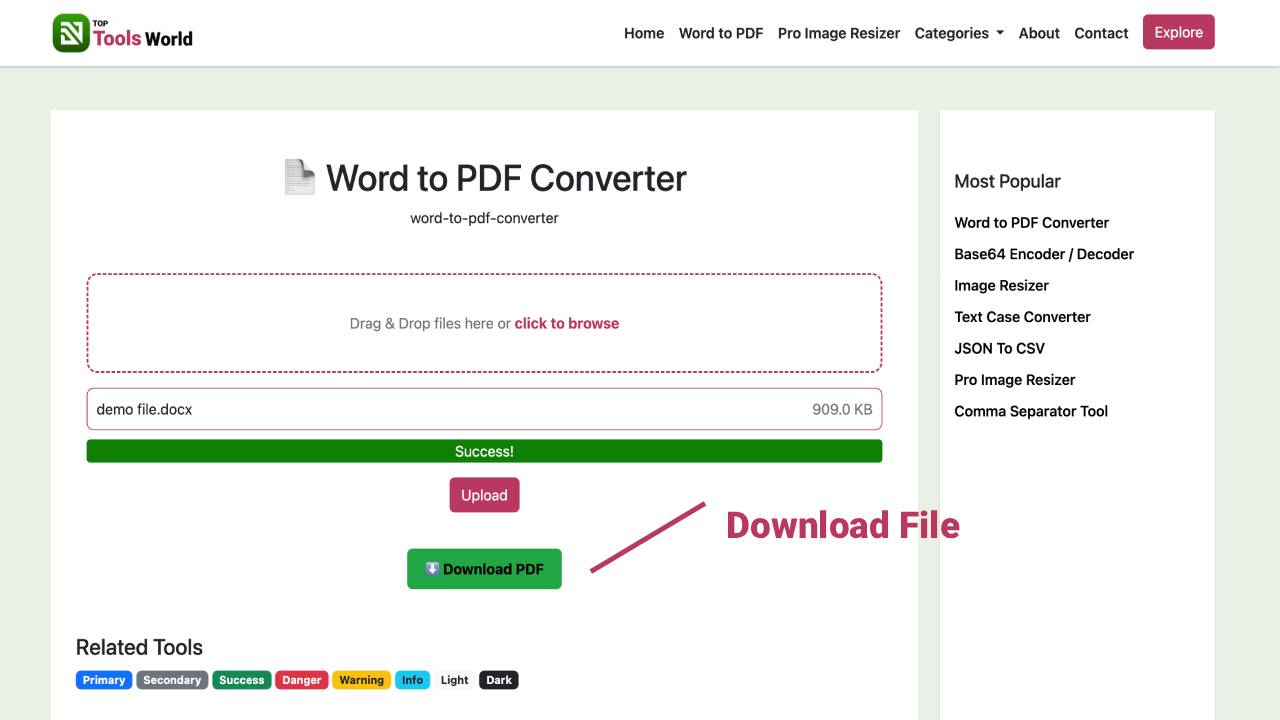
- Download or share. Save the cleaned image to your device, or copy the listed metadata for documentation. Your file is now ready for email, social media, or publishing.
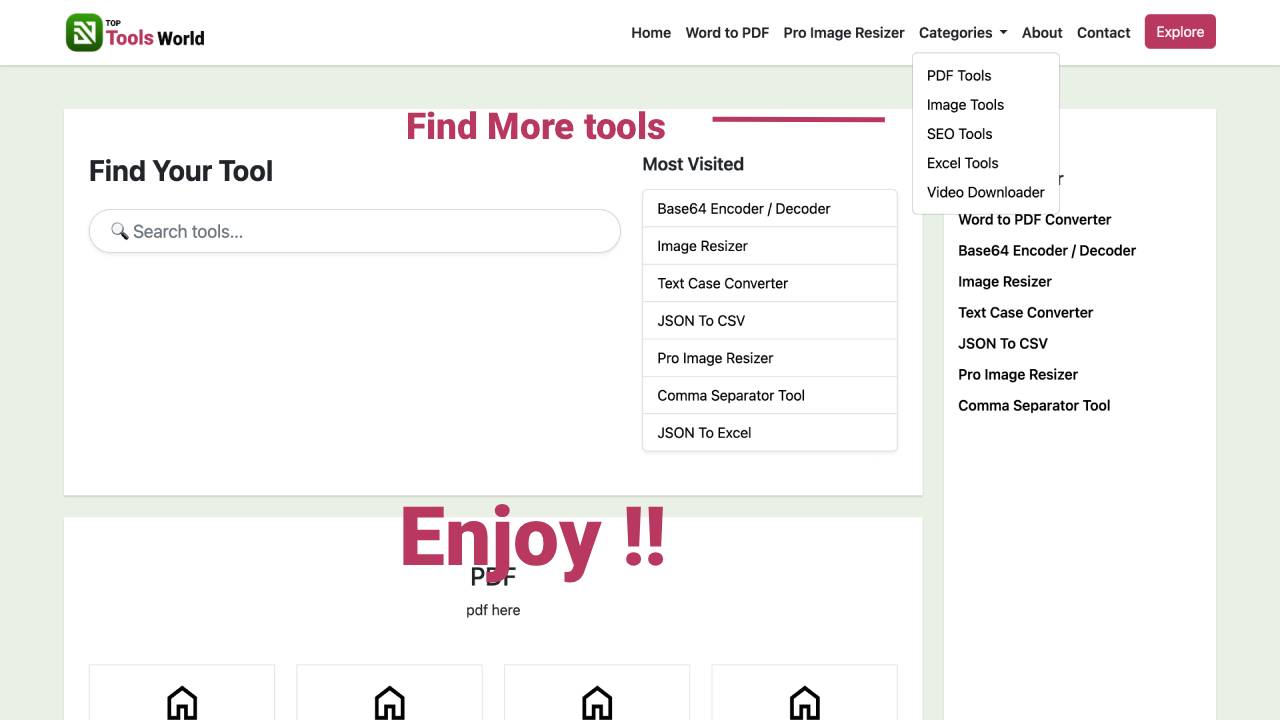
- Repeat as needed. Want to check another image? Simply return to the workspace and run more photos through the tool in moments.
Key Benefits of Using Image Metadata on Top Tools World
- Ease of use: Clear options and a streamlined flow help anyone check or clean photos without technical steps.
- Accuracy: See precise fields like camera make/model, exposure, lens data, timestamps, copyright tags, and GPS coordinates.
- Speed: Process images in seconds, whether you’re auditing details or removing them for privacy.
- Reliability: Consistent results make this a trusted choice for creators, marketers, and businesses.
- Time-saving: One quick action to view or remove – no complicated settings or guesswork.
- Practical scenarios: Perfect for photographers sharing portfolios, sellers listing products, journalists protecting sources, and travelers removing location data.
- Clear language: Everything is explained in straightforward terms, so you can act with confidence.
Why Choose Our Image Metadata? (Unique Advantages)
The Image Metadata tool from Top Tools World is built for real-world workflows. Whether you’re cleaning photos for privacy or auditing details for quality control, it delivers a smooth, dependable experience.
- Superior experience: Minimal steps, immediate clarity, and smart defaults that make the right choice obvious.
- Advanced features: View comprehensive metadata fields or instantly remove them for a clean, share-ready file.
- Performance you can trust: Fast processing and consistent outputs help you work at scale without friction.
- Professional results: From content teams to solo creators, Top Tools World ensures your images look right and reveal only what you intend.
- User-first design: Everything is structured to reduce errors, prevent oversharing, and speed up approvals.
What is a Image Metadata? A Complete Overview
Image metadata is the set of details embedded inside a picture file. Common types include EXIF (camera and photo settings), IPTC (descriptive tags like title and copyright), and XMP (flexible fields used by editing apps). These data points can include camera brand and model, lens, shutter speed, aperture, ISO, date and time, orientation, color space, copyright, captions, keywords, and even GPS coordinates.
How does this help you? If you’re a photographer or designer, it’s a quick way to confirm how a shot was captured. If you’re a marketer or publisher, metadata can contain rights and attribution information. If you’re sharing images online, metadata may expose location or device details you prefer to keep private.
The Image Metadata tool on Top Tools World solves two common problems: understanding what’s inside your file and removing anything sensitive before distribution. For example, a travel blogger can strip GPS data from vacation photos before posting, a journalist can remove identifying fields when sharing images with sources, and an e-commerce seller can verify that product photos don’t leak brand device info or timestamps that might confuse customers.
Another benefit: removing metadata can slightly reduce file size. While the visual quality remains the same, the leaner file may load faster on websites and social platforms. That’s one more reason creators and site owners turn to Top Tools World for quick optimization.
Advanced Tips & Best Practices
- Decide your goal first: Need to audit details? Choose to view. Need privacy or smaller files? Choose to remove.
- Check for GPS: If a photo was taken on a phone or a GPS-enabled camera, location data may be present. Removing it protects your privacy.
- Keep an original: Store an untouched copy for archives and edit/share a cleaned version for public use.
- Audit sensitive tags: Beyond GPS, look for creator name, device serials, or timestamps that might reveal more than you want.
- Use consistent workflows: Before publishing or sending, run images through Top Tools World so every file follows the same quality and privacy standards.
- Verify after removal: Re-check a cleaned image to confirm that sensitive fields are gone, especially before public release.
- Optimize for web: Removing metadata can slightly reduce file size; combine it with sensible dimensions for faster page speed.
FAQs About the Image Metadata
1) What kinds of metadata can I see?
Common fields include EXIF (camera info and settings), IPTC (descriptions, keywords, copyright), XMP (editor-added data), plus timestamps and location data when present.
2) Will removing metadata change image quality?
No. Removing metadata only strips hidden information and does not alter the pixels of your photo.
3) Which files are supported?
JPG/JPEG, PNG, and WEBP are supported by the Image Metadata tool on Top Tools World.
4) Can I restore metadata after removing it?
Once removed and saved, that embedded data is not recoverable from the cleaned file. Always keep a backup of your original image.
5) Why should I remove GPS/location data?
GPS coordinates can reveal where a photo was taken. Removing them protects your privacy and the privacy of others.
6) Does removing metadata reduce file size?
Often slightly, because hidden data is removed. The visual quality remains unchanged.
7) Is this tool suitable for professional workflows?
Yes. Creators, marketers, and businesses use Top Tools World to verify details, standardize assets, and protect sensitive information before sharing.