📄 Image Resizer
Resize PNG, JPG, or WEBP by width/height and download instantly on Top Tools World.
How to use
Last updated: a year ago
Step-by-Step Guide to Using the Image Resizer
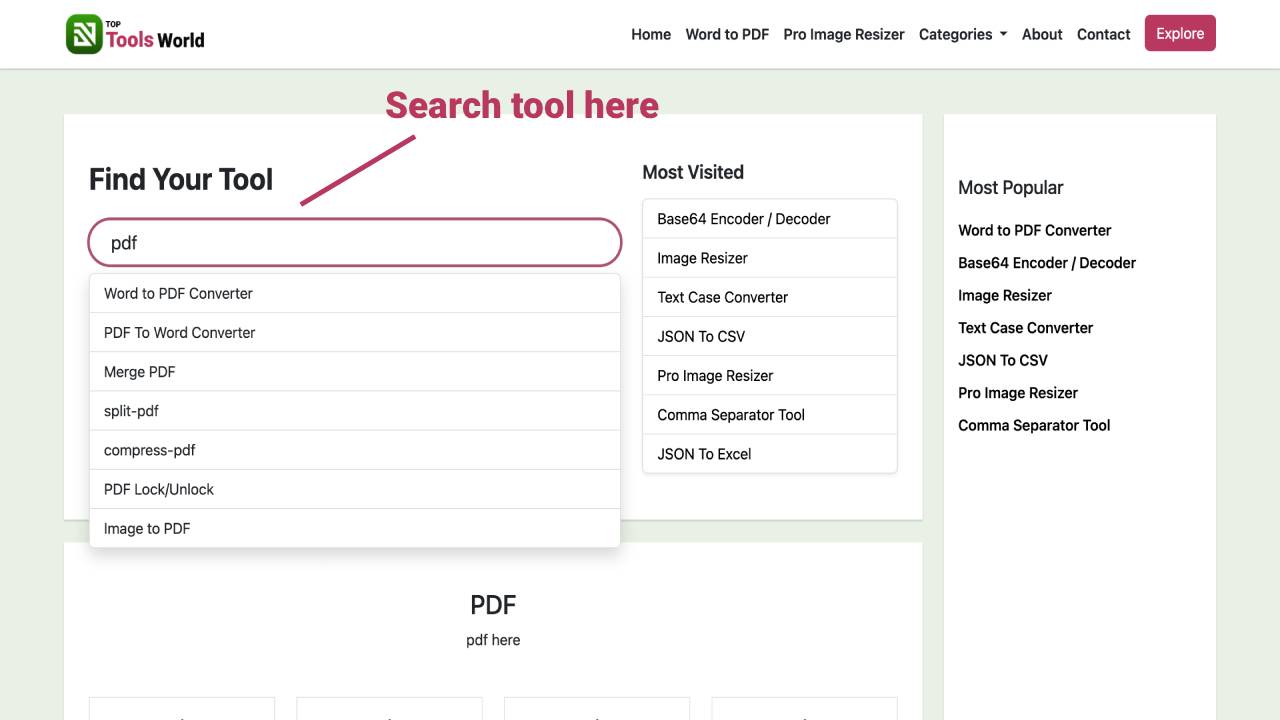
- Open the Image Resizer on Top Tools World and get your image ready. For best results, start with a clear PNG, JPG, or JPEG.
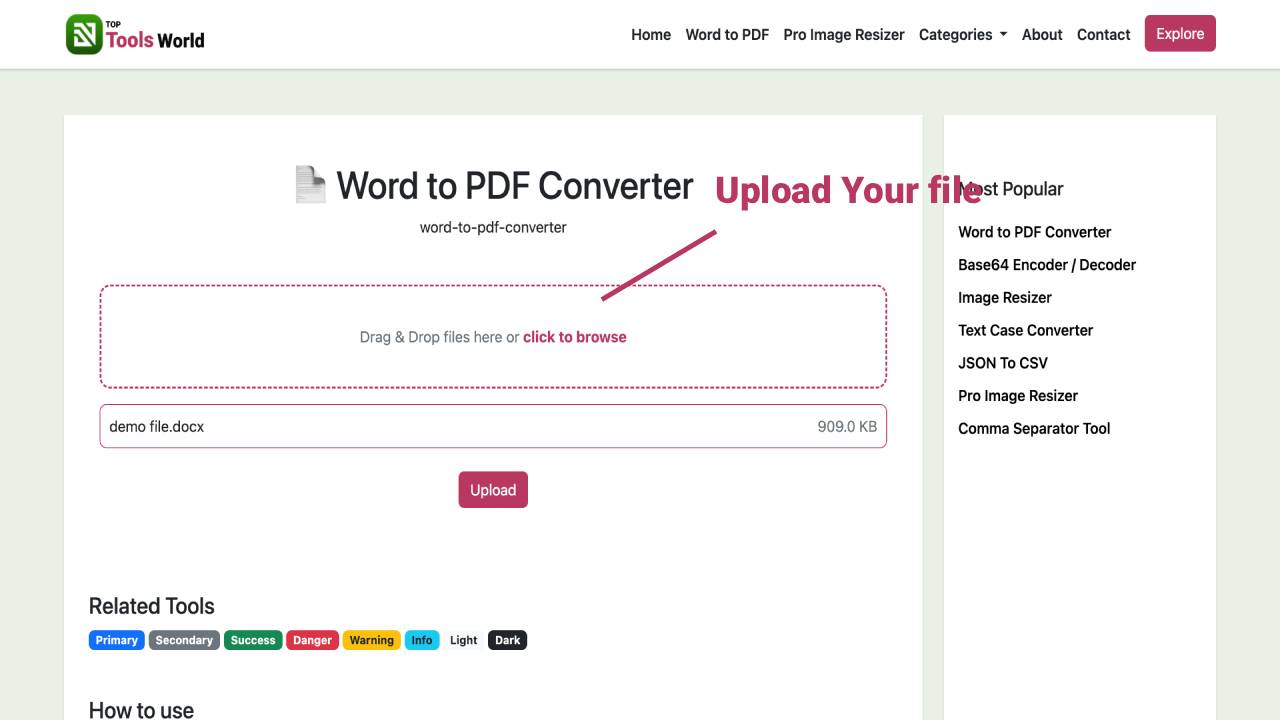
- Add your image from your device. Large or small photos are both supported—pick the one you need to resize.
- Review your goal. Decide whether you want a specific width, a specific height, or both. If you’re matching a layout (website banner, blog cover, product photo), note the exact pixel size you need.
- Set your new size. Enter the target width and height in pixels. To keep proportions looking natural, choose values that match your image’s original ratio or use common presets you already know.
- Choose your output format. Pick PNG for graphics and transparency, JPG/JPEG for photos with small file sizes, or WEBP for modern, web-friendly performance.
- Start the resize process. The tool quickly prepares your image at the new dimensions.
- Preview the result. Confirm the image looks sharp, properly scaled, and aligned with your needs. If something looks stretched, adjust your dimensions and try again.
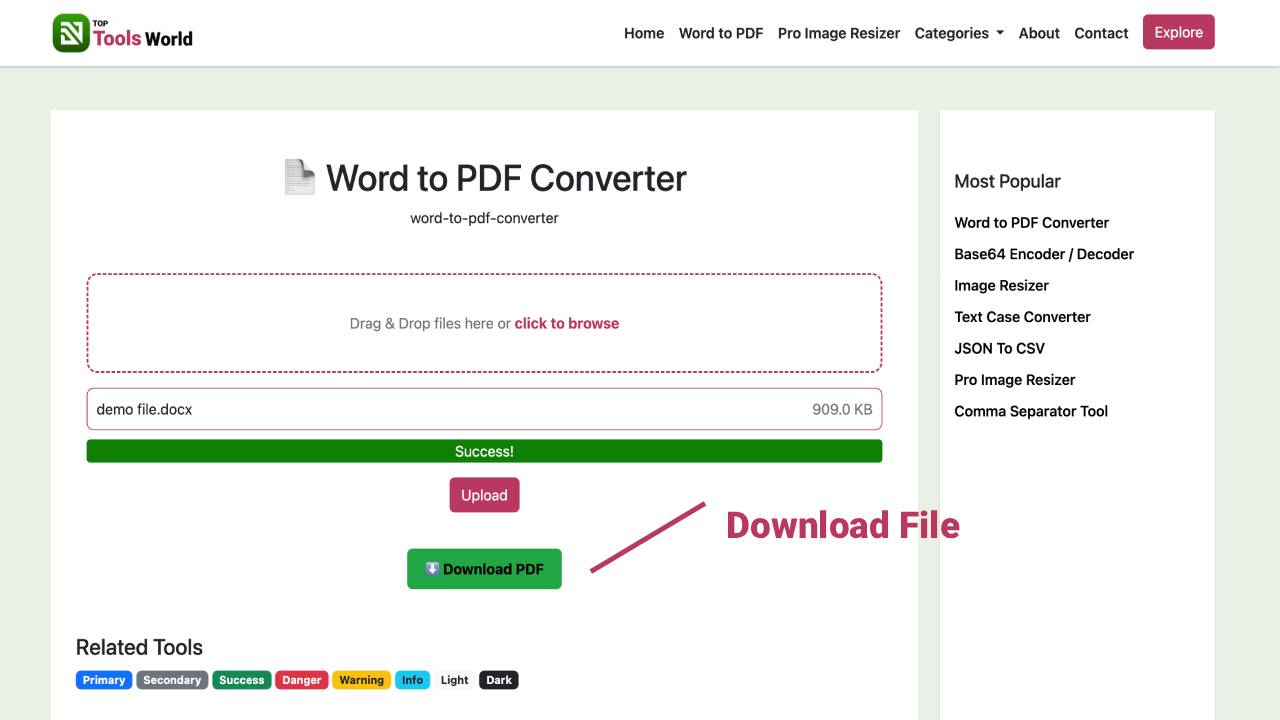
- Download your resized image instantly. Save it to your computer or device with a descriptive file name so you can find it later.
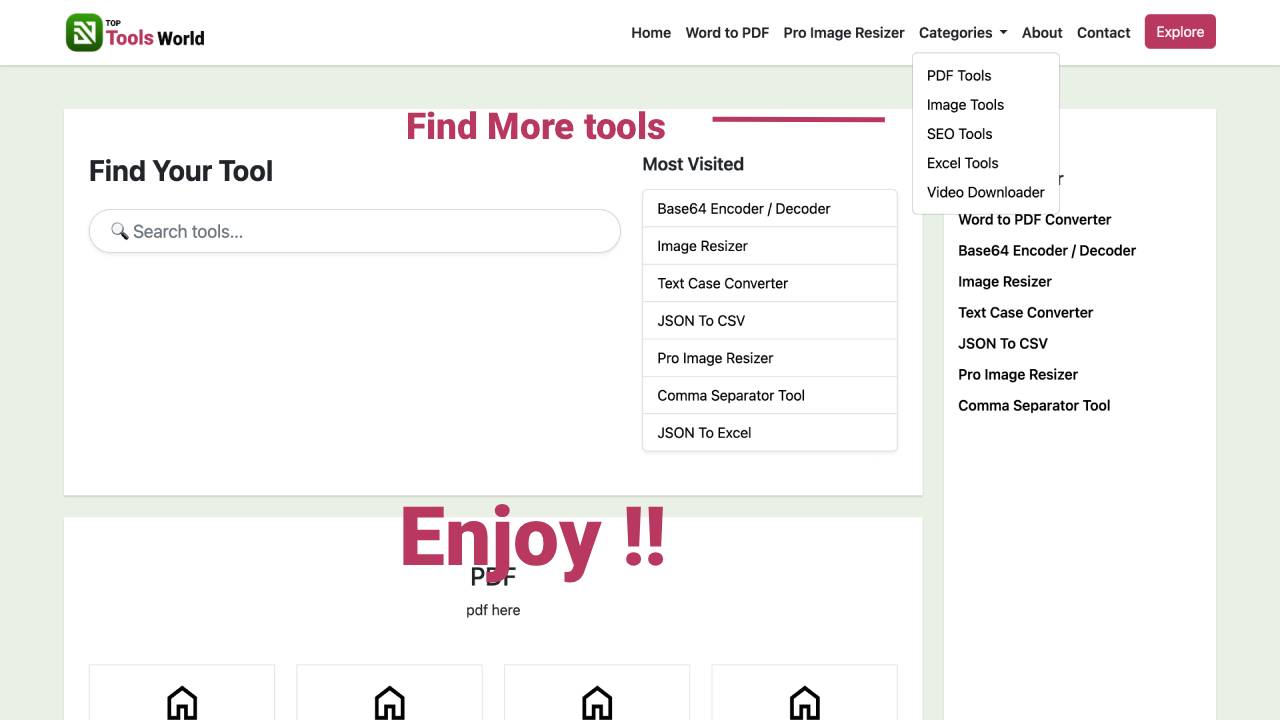
- Need another size? Repeat the process for additional versions—ideal for thumbnails, social media, email headers, and product listings.
- Put it to work. Upload your resized image to your site, store, or social channels and enjoy faster loading and a cleaner, more professional presentation.
Key Benefits of Using Image Resizer on Top Tools World
- Ease of use: A clean interface that helps you resize photos in moments, even if you’re not a designer.
- Accuracy: Set exact pixel dimensions for perfect fits across websites, blogs, and store listings.
- Speed: Resize and download in seconds—great when you’re on a deadline.
- Reliability: Consistent, high-quality output that keeps logos crisp and photos clear.
- Time-saving: Create multiple sizes for different platforms without opening heavy design software.
- Flexibility: Convert while resizing—export to PNG, JPG/JPEG, or WEBP depending on your use case.
- Better user experience: Properly sized images help pages load faster and look more professional.
- Ideal for many scenarios: Blog headers, feature images, thumbnails, ecommerce galleries, presentations, and social posts.
Why Choose Our Image Resizer? (Unique Advantages)
The Top Tools World Image Resizer focuses on clarity and performance. You get a smooth experience that removes guesswork and delivers pixel-perfect outcomes for websites, stores, and marketing campaigns.
- Superior experience: Intuitive steps and immediate results help you work smarter and finish faster.
- Advanced output options: Choose among PNG, JPG/JPEG, and WEBP to balance quality and size for each platform.
- Consistent accuracy: Dimensions are applied precisely, helping you avoid unwanted cropping or blurry results.
- Performance-minded: Smaller, correctly sized images improve load times and SEO—vital for a modern site.
- Trusted by creators: Users prefer Top Tools World for dependable resizing when preparing content for blogs, ecommerce, and social media.
What is a Image Resizer? A Complete Overview
An Image Resizer is a simple utility that changes the pixel dimensions of a picture. By adjusting width and height, you can make images fit specific spaces, meet platform requirements, and load faster. The Top Tools World Image Resizer helps you do all of this quickly and precisely.
Why it matters: Oversized images slow pages, increase bounce rates, and hurt search visibility. Undersized images look blurry and unprofessional. A good resizer ensures your visuals appear crisp at the right size, improving user experience and conversions.
Common problems it solves:
- Web performance: Shrink large photos so pages load quickly on desktop and mobile.
- Design consistency: Match exact pixel sizes for banners, thumbnails, and hero sections.
- Platform requirements: Prepare images for marketplaces, CMS templates, and social feeds that require specific dimensions.
- Brand clarity: Keep logos, icons, and graphics sharp by using appropriate formats and sizes.
Examples:
- Blog cover: Resize to a precise width (e.g., 1200 px) for consistent page layouts.
- Product images: Create uniform gallery thumbnails for a cleaner store experience.
- Email headers: Reduce height to minimize email weight and improve deliverability.
- Social visuals: Produce platform-friendly sizes for faster uploads and better engagement.
In short, the Image Resizer from Top Tools World ensures your visuals look great and load fast, whether you’re publishing a blog post, managing a catalog, or building landing pages.
Advanced Tips & Best Practices
- Keep aspect ratio consistent: To avoid stretching, use new dimensions that match the original ratio (e.g., 3:2 stays 3:2).
- Choose the right format: PNG for graphics and transparency, JPG/JPEG for photos, WEBP for modern web performance.
- Think mobile-first: If an image is displayed at 800 px wide on mobile, don’t upload a 4000 px version. Resize near the display size to speed up loading.
- Prepare multiple sizes: Thumbnails, cards, and banners often need different dimensions. Create a small set of standard sizes for your brand.
- Mind upscaling: Enlarging small images can introduce blur. If you must upscale, do it modestly and check sharpness.
- Retina readiness: For crisp visuals on high-density screens, consider exporting at up to 2x the display size, then control display width via your site’s design.
- Name files clearly: Use descriptive file names (e.g., product-red-sneaker-800x800.jpg) to stay organized and support SEO.
- Balance quality and size: When using JPG/JPEG, aim for smart dimensions and reasonable compression to keep images light and clear.
- Test on real pages: After resizing with Top Tools World, preview on your site to verify alignment, cropping, and load speed.
FAQs About the Image Resizer
1) How do I keep the image from looking stretched?
Use dimensions that match your original aspect ratio. If your photo is 1200x800 (3:2), pick a proportional size like 900x600.
2) Which format should I choose—PNG, JPG/JPEG, or WEBP?
PNG is best for graphics and transparency, JPG/JPEG for photos with small file sizes, and WEBP for modern web performance with excellent compression.
3) Will resizing reduce image quality?
Resizing to smaller dimensions usually preserves clarity if you keep the same ratio and choose a suitable format. Avoid aggressive upscaling to prevent blur.
4) Can I make a small image larger?
You can, but quality may drop. If you must upscale, do it carefully and review the result. For critical uses, try to locate a higher-resolution original.
5) Does the Image Resizer support transparent backgrounds?
Yes—export as PNG if you need to preserve transparency in logos or graphics.
6) What’s the difference between JPG and JPEG?
They’re the same format with different file extensions. Both are ideal for photographs and realistic images.
7) Can I convert formats while resizing (e.g., PNG to WEBP)?
Yes. Select your preferred output format before you download the resized result.
8) What sizes should I use for blogs, ecommerce, or social media?
Check the platform’s guidelines, then use the Top Tools World Image Resizer to match those exact pixel requirements for the best display and performance.
Get consistent, professional results every time with the Image Resizer from Top Tools World. It’s the fast, accurate way to prepare visuals for the modern web.