📄 Broken Link Checker
Scan any page for broken links and see valid vs broken results instantly.
How to use
Last updated: a year ago
Step-by-Step Guide to Using the Broken Link Checker
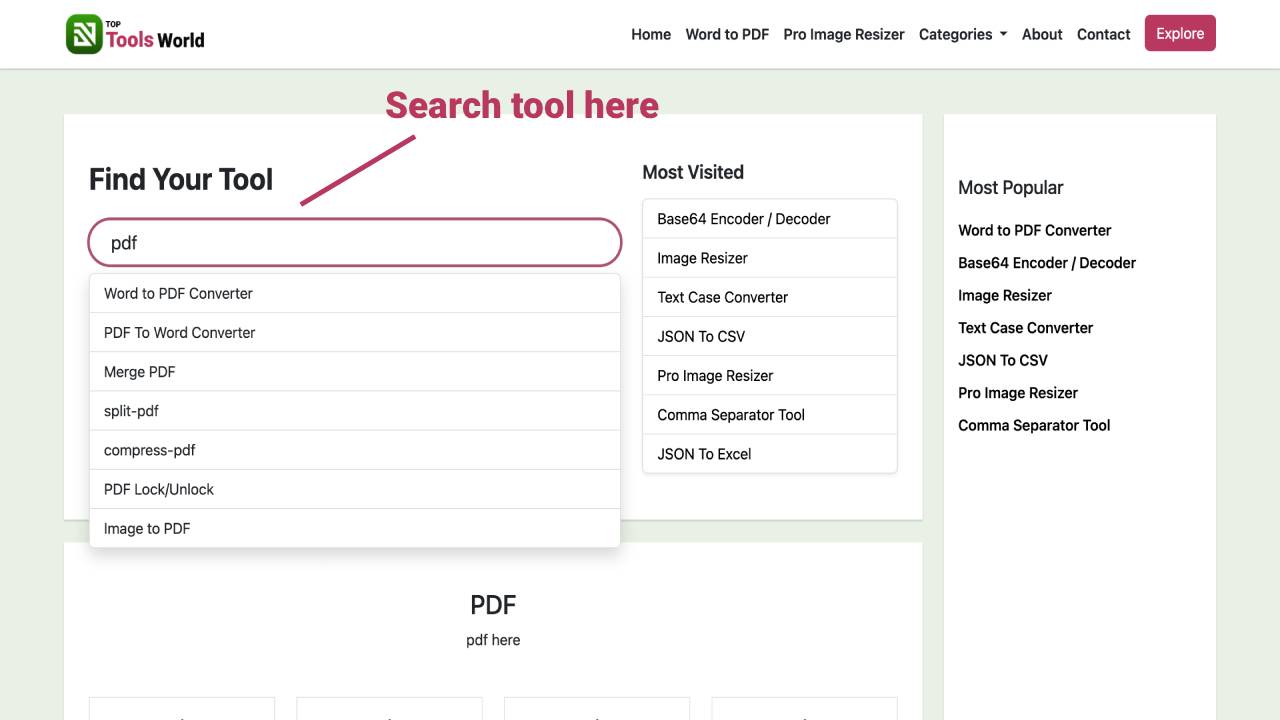
- Open the Broken Link Checker on Top Tools World. You’ll see a clean, distraction-free page designed to help you start scanning right away.
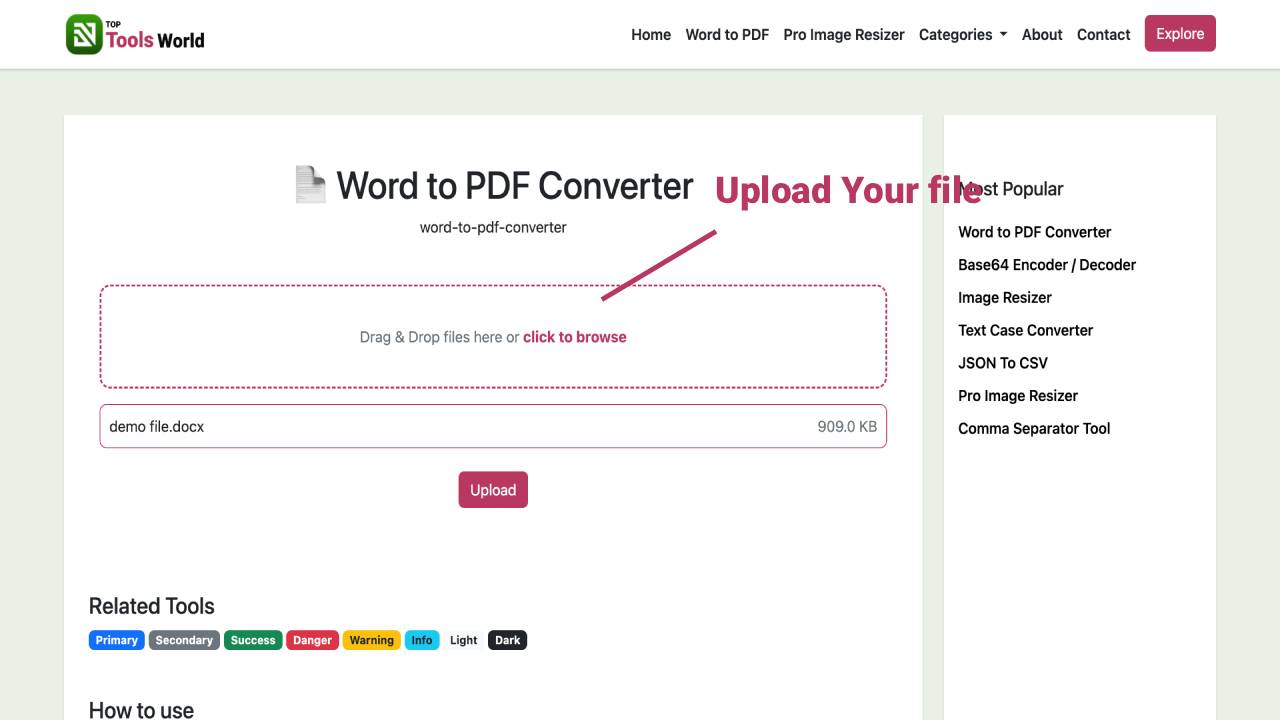
- Paste the page address you want to audit. You can use your homepage, a blog article, a category page, or any public URL.
- Start the scan with a single click. The checker will begin crawling links found on that page and assess their status.
- Watch the progress indicator as the scan runs. This gives you a clear view of how much of the analysis is complete.
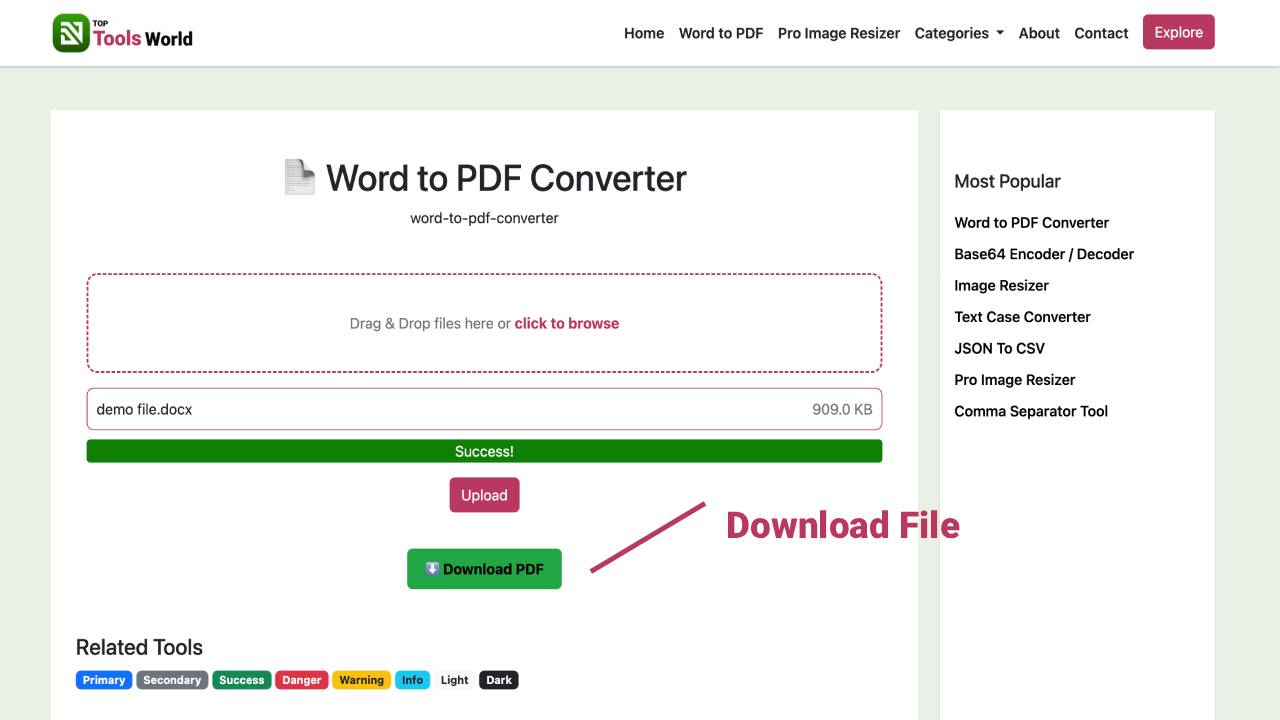
- Review your results. You’ll see a quick summary of total links, followed by a clear breakdown of which links are working and which are broken.
- Prioritize fixes. Use the list of broken links to decide what to correct first—common culprits include outdated pages, typos in URLs, redirected resources that now fail, or third-party links that no longer exist.
- Update your site. Replace, remove, or redirect broken URLs on your webpage. After changes, run the scan again to confirm everything is fixed.
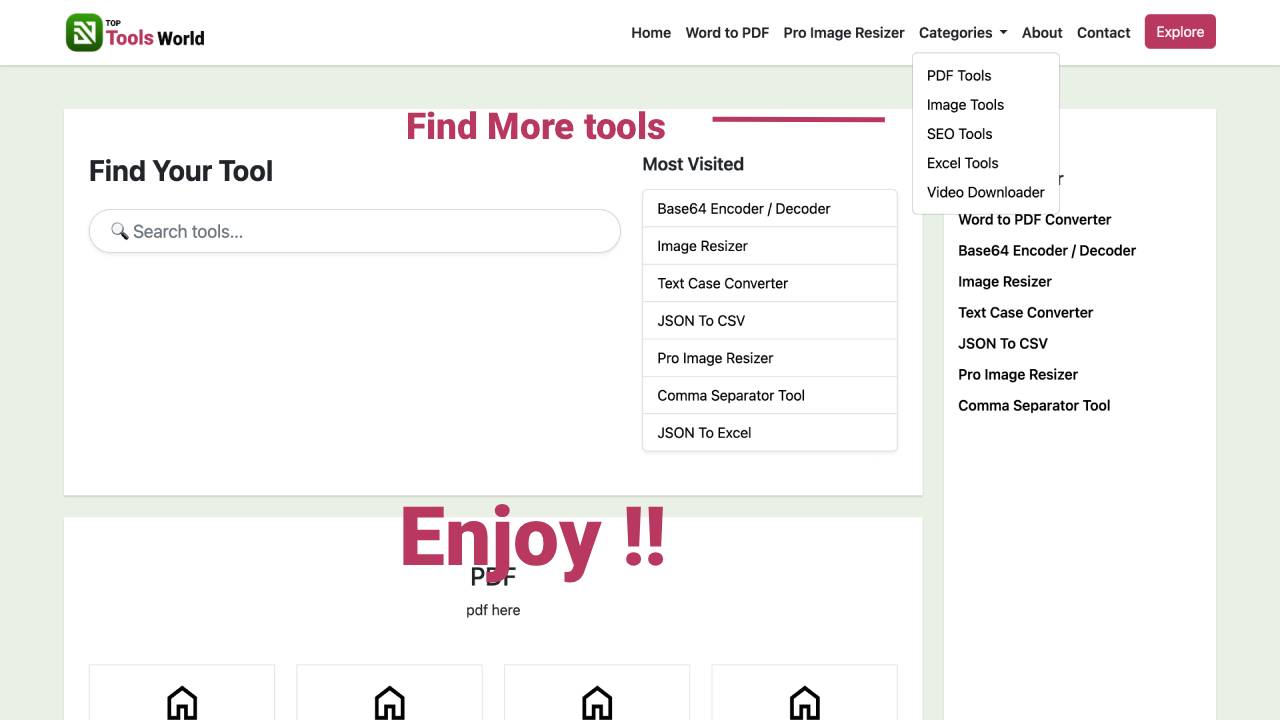
- Repeat regularly. Make link checks part of your content or technical SEO routine to prevent link rot and maintain a smooth user experience.
Key Benefits of Using Broken Link Checker on Top Tools World
- Ease of use: Start a complete link audit with a single paste-and-click workflow—no learning curve.
- Accuracy: Reliable detection of live, redirected, and broken URLs so you know exactly what needs attention.
- Speed: Get results within moments, even on content-heavy pages.
- Reliability: Consistent performance you can depend on for routine site maintenance.
- Time-saving: Instantly separates valid and broken links so you can fix issues faster.
- Scenarios where it helps: Perfect for blog cleanups, ecommerce product pages, resource libraries, documentation, and marketing landing pages.
- Plain-language results: Understand what’s good and what’s broken at a glance—no technical jargon required.
Why Choose Our Broken Link Checker? (Unique Advantages)
Top Tools World focuses on delivering a smooth and effective link auditing experience. The interface is streamlined so you can spend your time fixing issues, not figuring out a tool. Whether you’re a blogger, marketer, editor, or SEO pro, you’ll find the workflow intuitive and dependable.
What sets Top Tools World apart is its careful balance of simplicity and precision. The checker highlights total links, valid links, and broken links in a way that mirrors how you triage tasks in real life. That means fewer distractions and a faster path to a clean, error-free page.
Performance and trust matter. With Top Tools World, you get consistent analysis, helpful categorization, and a clear summary. It’s easy to repeat scans as you update your pages, so you can verify your fixes and keep link health in top shape.
What is a Broken Link Checker? A Complete Overview
A Broken Link Checker is a website auditing tool that scans a page for hyperlinks and tests whether they still work. Broken links—often called dead links—lead visitors to error pages or missing resources. These issues waste crawl budget, reduce user trust, and can contribute to weaker search performance. On content-rich sites, link rot naturally accumulates over time as pages move, files change, and external websites go offline.
Here’s how the Broken Link Checker helps you: it crawls links found on the page you submit and categorizes them as valid or broken. Valid links are working as expected, while broken links return errors such as “page not found” or other failures. The tool then presents a clear list of which URLs need your attention so you can take corrective action immediately.
Common problems it solves include:
- Outdated references to pages that have been removed or renamed.
- Typos in URLs that were missed during editing.
- Links to third-party resources (articles, images, PDFs, scripts) that no longer exist.
- Old redirects that have since broken, causing chains or failures.
- Content migrations where internal links weren’t updated correctly.
Example: Imagine a blog post that links to a statistics report published two years ago. If that publisher updated their site structure, your link might now land on a 404 page. The Broken Link Checker on Top Tools World quickly flags that URL, allowing you to replace it with the current report or a suitable alternative. The result is a better user experience and a cleaner page for search engines to crawl.
For ecommerce stores, broken links on product pages and category guides can cost conversions. For documentation and help centers, dead links damage credibility and increase support requests. Regular scans with Top Tools World help you safeguard both SEO and customer satisfaction.
Advanced Tips & Best Practices
- Scan important hub pages first: homepages, category pages, and top blog posts usually have the most influence on user journeys and rankings.
- Adopt a monthly link hygiene routine: schedule checks with Top Tools World for ongoing content, and run scans after major updates or migrations.
- Fix high-impact issues first: prioritize links in navigation, CTAs, and above-the-fold sections where user drop-off is most costly.
- Use descriptive replacement links: when updating a broken URL, link to the most relevant, up-to-date resource and ensure the anchor text remains accurate.
- Consolidate redirects: if you must redirect, aim for a single, clean destination instead of creating chains.
- Audit internal links during content refreshes: when you optimize a post, re-check its internal links with Top Tools World to keep your internal linking structure strong.
- Maintain external alternatives: if a critical external resource disappears, find an authoritative replacement or host a summary that adds value for readers.
FAQs About the Broken Link Checker
1) What does the Broken Link Checker scan?
It analyzes the links found on the page you provide and reports which are working and which are broken.
2) How often should I run link checks?
For active sites, monthly is a good baseline. Run additional scans after publishing new content, updating templates, or migrating pages.
3) Will this help with SEO?
Yes. Fixing broken links improves crawlability, reduces soft 404 issues, and creates a better user experience—factors that support stronger SEO performance.
4) Can I use it for any type of page?
Absolutely. Blog posts, landing pages, product pages, and resource hubs all benefit from regular checks using Top Tools World.
5) What should I do with broken links?
Replace them with a correct URL, remove them if they’re not needed, or set an appropriate redirect to a relevant resource.
6) Does it check both internal and external links?
Yes. It flags issues for both types so you can fix problems across your site experience.
7) Why choose Top Tools World over other tools?
It’s fast, straightforward, and reliable—ideal for quick audits and repeatable checks without unnecessary complexity.
Keep your site clean and user-friendly with regular scans from Top Tools World. By quickly identifying and fixing dead links, you’ll strengthen your SEO foundation, protect conversions, and ensure visitors always find what they’re looking for. Make routine link maintenance part of your workflow—and let Top Tools World handle the heavy lifting.