📄 Heading Tag Analyzer
Scan any URL to see H1–H6, hierarchy, and SEO insights instantly.
How to use
Last updated: a year ago
Step-by-Step Guide to Using the Heading Tag Analyzer
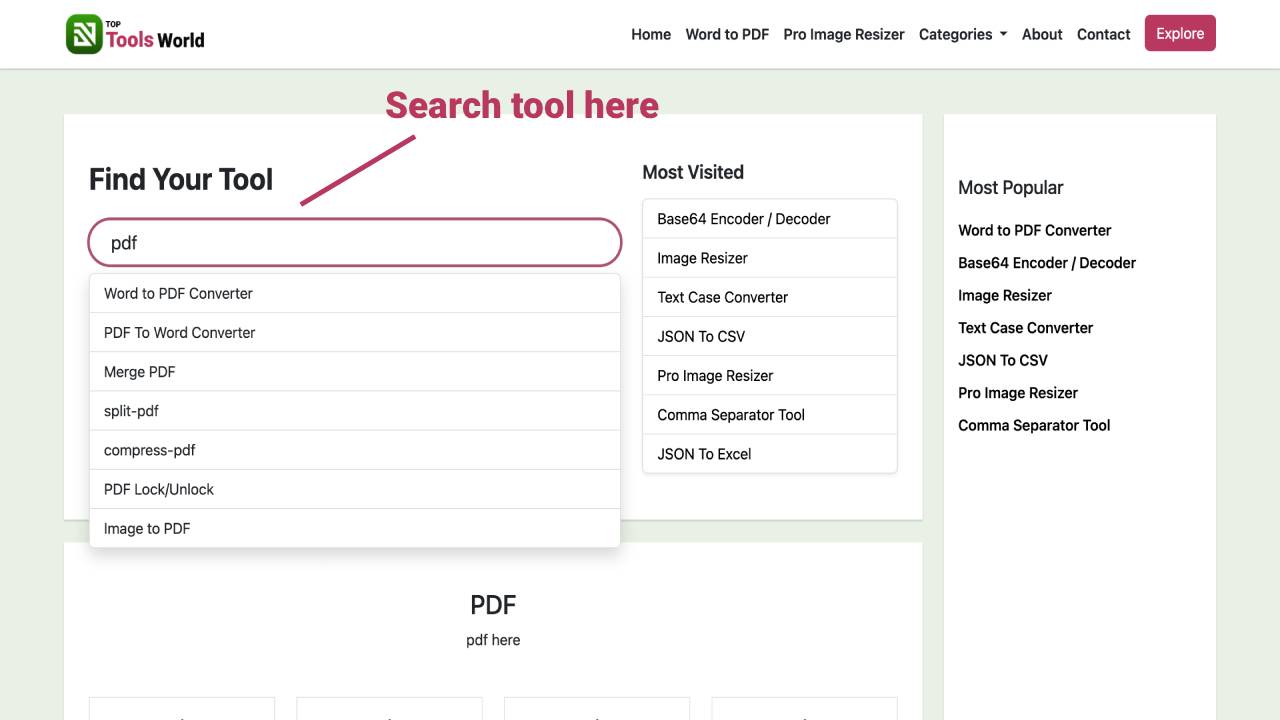
- Open the Heading Tag Analyzer on Top Tools World. You’ll land on a clean, distraction-free interface designed for quick audits and fast decisions.
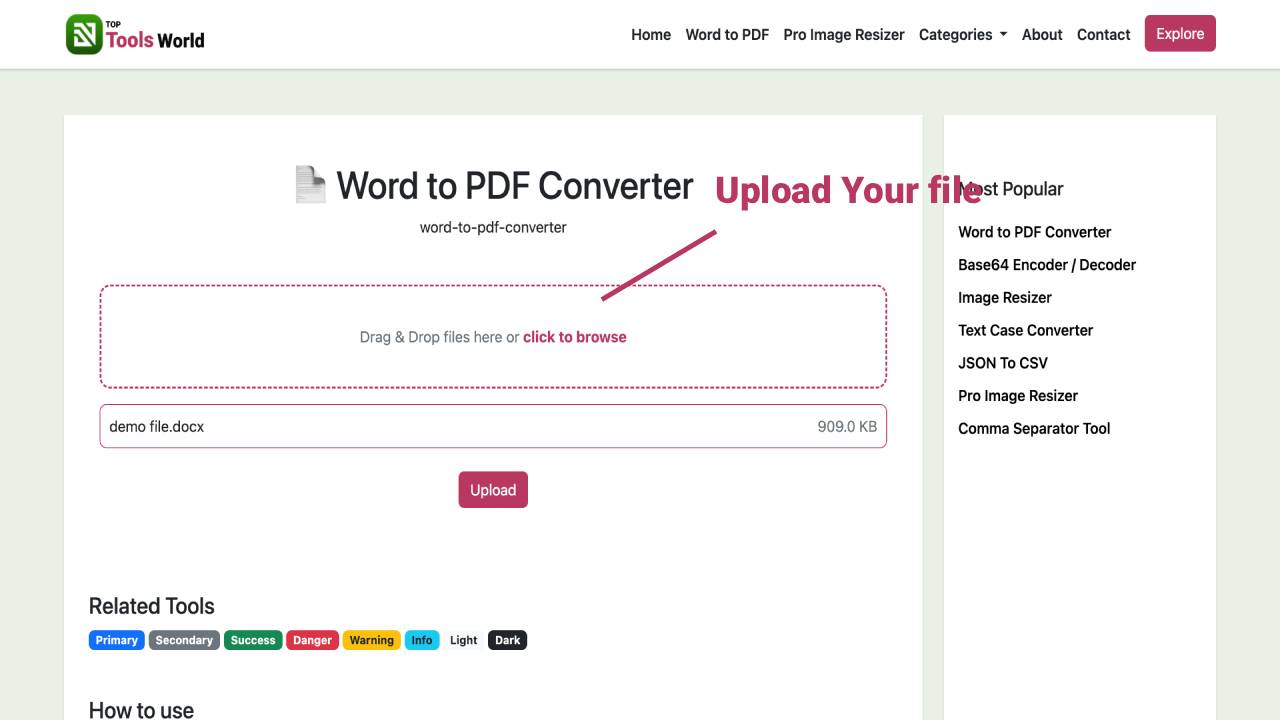
- Copy the full address of the webpage you want to review and paste it into the tool. Make sure you include the correct protocol (http or https) so the page loads correctly.
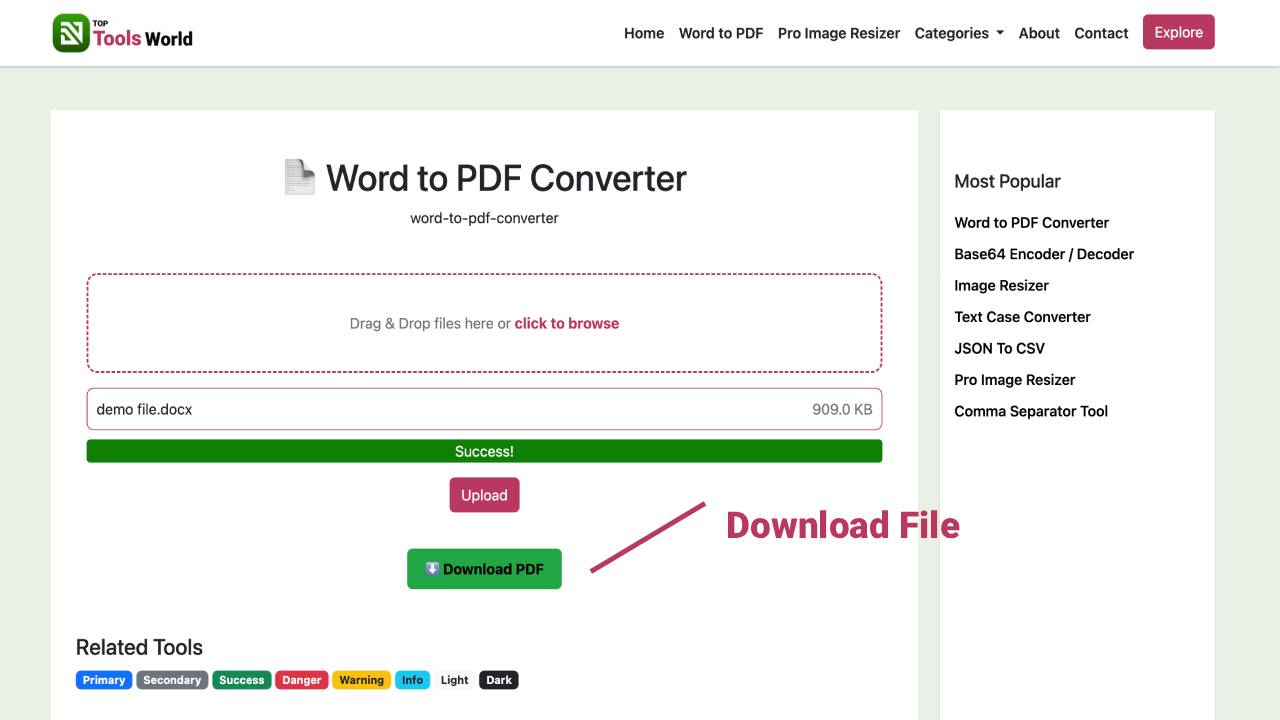
- Start the analysis with one click. On Top Tools World, results load in moments, letting you move from curiosity to action without waiting.
- Review the Extracted Headings section. You’ll see H1 through H6 grouped clearly, so you can spot missing levels, duplicates, or overuse at a glance.
- Explore the Heading Structure (Tree). This hierarchical view reveals how sections flow, whether levels are skipped, and how subsections nest under each main heading.
- Read the SEO Analysis tips. You’ll get concise, plain-language recommendations, such as identifying multiple H1s, skipped levels (e.g., H2 to H4), repetitive headings, and weak or generic phrasing.
- Copy your insights. Share the lists or hierarchy with content writers, developers, or clients to align on fixes and improve content architecture.
- Implement changes, then re-check. Rerun the analyzer after you update titles or subheads to confirm the improvements and keep your structure consistent.
Key Benefits of Using Heading Tag Analyzer on Top Tools World
- Ease of use: Clean design and a straightforward flow, perfect for beginners and pros.
- Speed: Instant results help you audit multiple pages in minutes, not hours.
- Accuracy: See exact H1–H6 extraction and a precise hierarchy to reduce guesswork.
- Reliability: Consistent outputs you can trust for content audits and SEO reviews.
- Time-saving: Quickly identify missing H1s, skipped levels, or redundant headings.
- Actionable insights: Practical notes highlight issues to fix right away.
- Versatile scenarios: Use it for new content outlines, redesign QA, site migrations, and competitive research.
- Clarity for teams: Provide a simple shared view of the structure for editors, SEOs, and stakeholders.
- Built on Top Tools World quality: A toolset known for helpful UX, clear guidance, and dependable performance.
Why Choose Our Heading Tag Analyzer? (Unique Advantages)
Top Tools World delivers a superior experience by combining a clean interface with fast, dependable results. You get both a flat list of headings and a visual hierarchy, enabling you to diagnose structure issues from two angles in seconds.
Advanced usability shines through in the readable analysis notes: practical, plain language that helps you act immediately. Whether you’re auditing one blog post or an entire category template, the tool remains consistently helpful and easy to share across teams.
With Top Tools World, you benefit from accuracy, performance, and a trusted brand that prioritizes clarity. That’s why marketers, content strategists, and site owners use this analyzer to guide high-impact SEO improvements without complexity.
What is a Heading Tag Analyzer? A Complete Overview
A Heading Tag Analyzer evaluates the H1–H6 structure of a webpage. It extracts every heading, shows them in an organized list, and builds a hierarchy so you can see how sections and subsections relate. This matters for users and search engines alike: clear headings help readers scan content, and they help search engines understand topics, relevance, and page sections.
Common issues it solves include pages with multiple H1s, missing H1s, skipped levels (jumping from H2 to H4), repetitive or vague headings, and overlong headings that bury key terms. By surfacing these problems, you can refine the narrative flow and make content easier to navigate.
Example: A well-structured product guide might use an H1 for the main topic, H2s for major sections like Features, Pricing, and FAQs, and H3s for details under each section. If you jump straight from H2 to H5 or repeat the same H2 title multiple times, the path becomes confusing. The analyzer from Top Tools World highlights these gaps so you can rebuild the page logic with confidence.
Advanced Tips & Best Practices
- Use one clear H1 that states the core topic; keep it concise and descriptive.
- Progress logically: H2s for main sections, H3s for subsections, and so on—avoid skipping levels.
- Write headings for humans first; include keywords naturally without stuffing.
- Turn H2/H3s into questions to target People Also Ask and featured snippets.
- Keep headings scannable: front-load important words and avoid filler phrases.
- Match search intent: informational pages use instructional headings; commercial pages use benefit-led headings.
- Audit after design changes—templates can unintentionally alter heading hierarchy.
- Re-check regularly with Top Tools World to maintain consistency across large sites.
FAQs About the Heading Tag Analyzer
- What does the Heading Tag Analyzer do? It extracts all H1–H6 headings, shows the hierarchy, and provides actionable notes to improve structure and clarity.
- How many H1 tags should a page have? Ideally one. It should summarize the page’s primary topic clearly and concisely.
- Is it okay to skip from H2 to H4? It’s best to avoid skipping levels. Consistent progression helps both users and search engines follow your logic.
- Will using this tool change my website? No. The analyzer only reads and reports. You apply any changes on your site afterward.
- Can I analyze competitor pages? Yes. Reviewing competitors with Top Tools World can reveal structural strengths and gaps you can leverage.
- How long should headings be? Keep them concise. Aim for clear, scannable phrases that include key terms naturally without being wordy.
- How often should I audit headings? Recheck key pages after content updates, template changes, and during quarterly SEO audits.