📄 Link Analyzer
Instantly audit internal, external, dofollow, and nofollow links for any page.
How to use
Last updated: a year ago
Step-by-Step Guide to Using the Link Analyzer
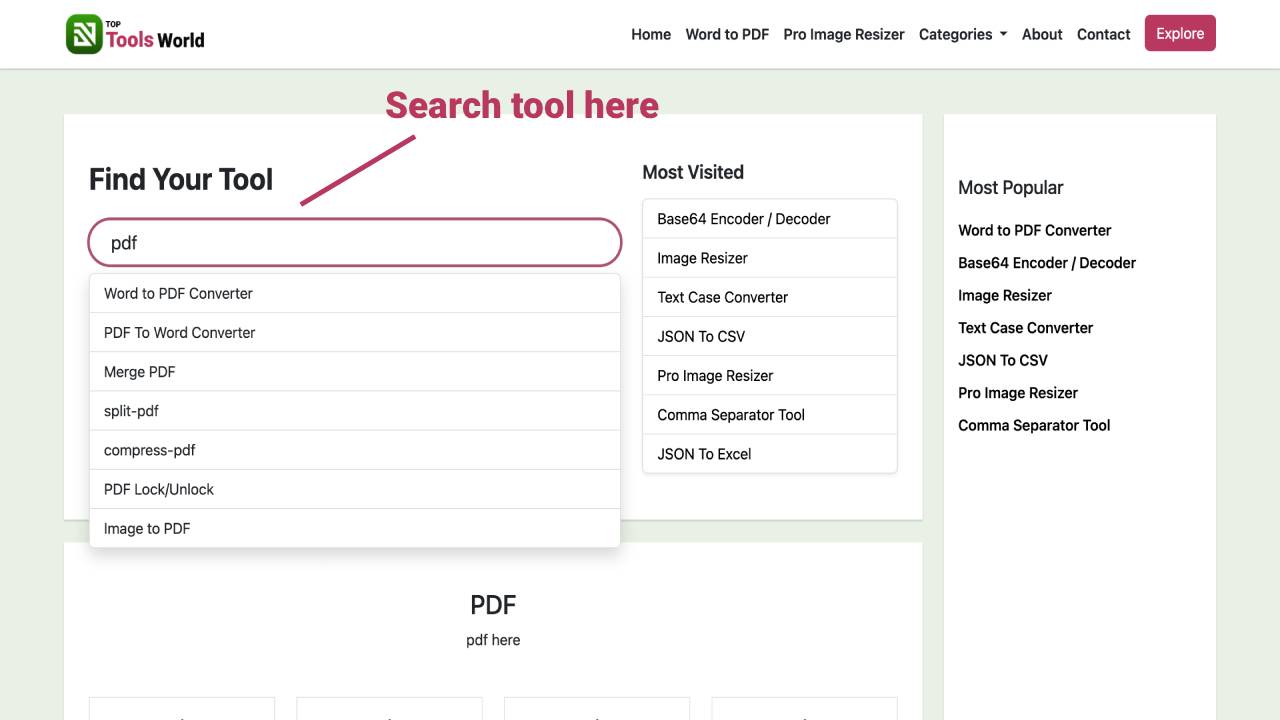
- Open the Link Analyzer on Top Tools World. You’ll land on a clean, distraction-free page designed to help you check links in seconds.
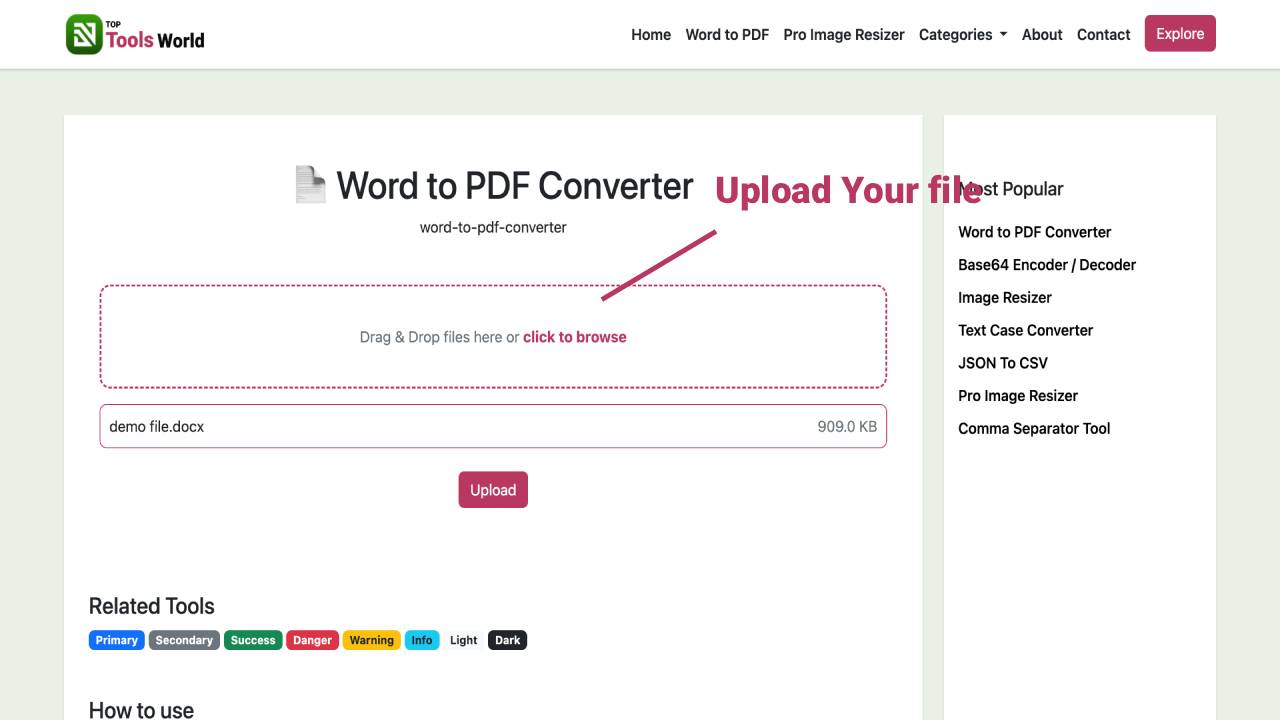
- Copy the full address of the webpage you want to analyze. This can be your homepage, a blog post, a product page, or even a competitor’s URL.
- Paste the link into the URL box. Make sure it includes the full protocol (for example, https://) so the page can be reached correctly.
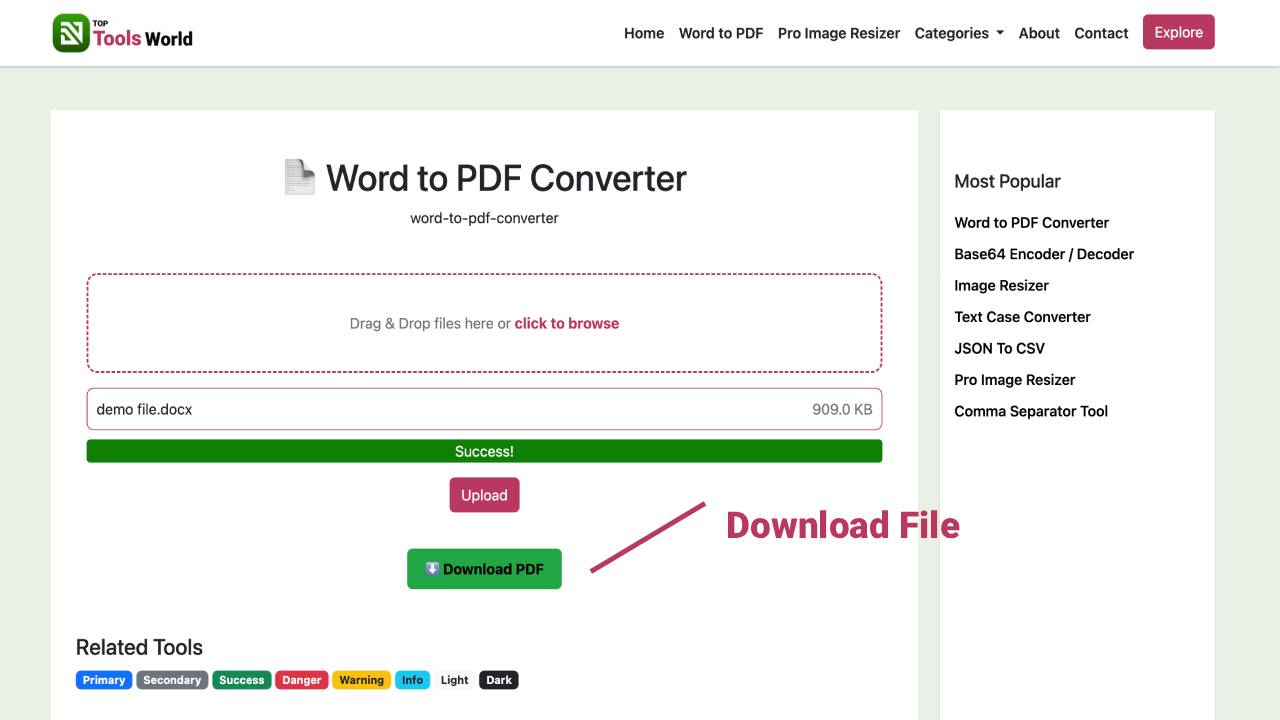
- Start the analysis by clicking the main action button. The scan begins immediately and typically completes within a few moments.
- Watch as the tool prepares your results. The process is quick—perfect for busy marketers, SEOs, and site owners who need fast insights.
- Review the summary at the top of your results. You’ll see total links, how many are internal vs. external, and how many are dofollow vs. nofollow.
- Look for quality warnings. The report highlights empty anchors (links with no visible text) and links without an href, helping you find issues that hurt usability and SEO.
- Explore the sample links list. Check anchor text, destination URLs, and rel attributes to spot patterns and opportunities. Copy the output for your notes or share it with your team, then repeat the process for other pages.
Key Benefits of Using Link Analyzer on Top Tools World
- Ease of use: A clear, streamlined workflow makes analysis effortless for beginners and experts alike.
- Accuracy: Reliable detection of internal vs. external links and precise counts for dofollow and nofollow attributes.
- Speed: Get an actionable snapshot of your page’s linking in moments—perfect for quick audits.
- Reliability: Consistent results you can trust when prioritizing on-page improvements and content updates.
- Time-saving: Instantly surface empty anchors and links without href so you can fix what matters first.
- Real-world scenarios: Use it for pre-publish checks, content migrations, internal linking projects, competitive analysis, and routine SEO health reviews.
- Clarity: Plain-language summaries empower stakeholders to understand link health without jargon.
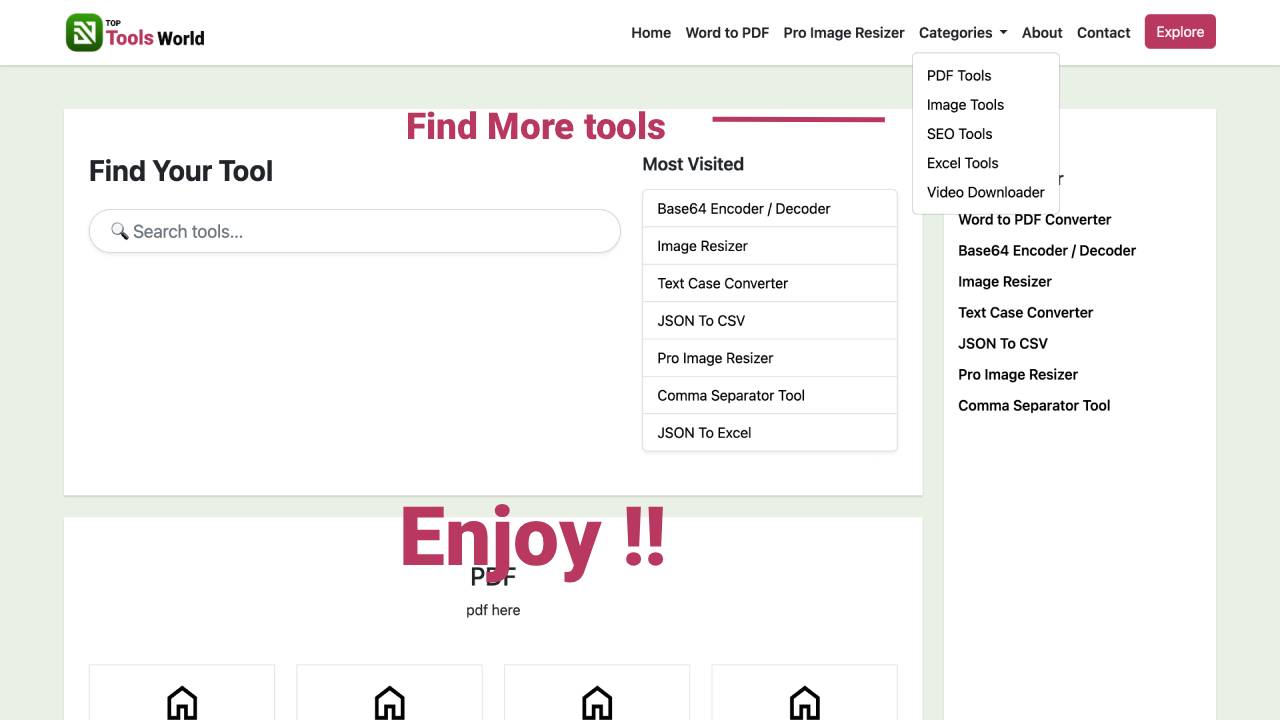
- Part of a workflow: Combine insights from this tool with other Top Tools World utilities to build a complete optimization process.
Why Choose Our Link Analyzer? (Unique Advantages)
Top Tools World focuses on giving you a superior experience: fast results, clean reporting, and the metrics that matter. Instead of overwhelming you with noise, the Link Analyzer highlights totals, internal vs. external distribution, dofollow vs. nofollow counts, and common issues like empty anchors—an ideal set of KPIs for on-page auditing.
Advanced parsing ensures anchors and rel attributes are interpreted correctly, giving you dependable data for link equity planning. Performance is tuned for speed, so you can analyze multiple URLs back-to-back without friction. The intuitive layout makes it easy to move from overview to granular review, which is why users keep coming back to Top Tools World for day-to-day SEO tasks.
From content editors to technical marketers, teams prefer this tool because it delivers practical, decision-ready insights. With Top Tools World, you can quickly validate link structures, spot misconfigurations, and streamline collaboration by sharing concise summaries with your colleagues.
What is a Link Analyzer? A Complete Overview
A Link Analyzer examines all hyperlinks on a specific webpage and summarizes what it finds. It shows you how many links exist, where they point, and how they’re configured. This matters because links guide users and search engines through your site. The right distribution improves crawl efficiency, user experience, and the flow of authority across your content.
Here’s what it helps with:
- Internal vs. External Balance: A healthy page typically emphasizes helpful internal links to related content while referencing authoritative external sources when relevant.
- Dofollow vs. Nofollow: Dofollow links pass equity, while nofollow links signal that engines shouldn’t transfer authority. The right mix supports your SEO strategy.
- Empty Anchors: Links with no anchor text can confuse users and may be overlooked by screen readers, reducing accessibility and clarity.
- Links Without href: These appear clickable but don’t go anywhere, disrupting navigation and trust.
- Anchor Text Quality: The words used in a link give context. Clear, descriptive anchors improve both usability and SEO relevance.
Example: Imagine a blog post with 40 links—32 internal and 8 external. If most internal links are dofollow (great for guiding authority) but several anchors are vague like “click here,” you’ve found an optimization opportunity. Replace generic anchors with descriptive phrases like “email marketing best practices” to improve clarity. Another example: If the tool flags a number of empty anchors, you can quickly update those elements to support accessibility and engagement.
In short, a Link Analyzer from Top Tools World turns complex link structures into an easy-to-understand checklist, helping you prioritize fixes that actually move the needle.
Advanced Tips & Best Practices
- Audit Your Highest-Impact Pages First: Start with your homepage, top blog posts, and key category pages. These often influence the most traffic and revenue.
- Optimize Anchor Text: Replace vague phrases with descriptive, user-focused language. Keep anchors concise and relevant to the destination page.
- Balance Internal Linking: Ensure each page connects to logically related content. Use internal links to surface evergreen pages, cornerstone content, and conversion paths.
- Use Nofollow Strategically: Apply nofollow where you don’t want to pass authority (e.g., certain user-generated content or sponsored links). Keep important editorial links dofollow.
- Fix Empty Anchors Promptly: Add meaningful text to improve accessibility and help users understand what they’ll get when clicking.
- Clean Up Links Without href: Remove or complete these links so they function properly and don’t frustrate visitors.
- Benchmark Competitors: Analyze competitor pages to understand their internal linking patterns and anchor strategies, then adapt what works.
- Schedule Regular Checks: Content evolves. Re-run analyses after major updates, redesigns, or migrations using Top Tools World to keep your site tidy and consistent.
- Create a Link Style Guide: Document preferred anchor formats, when to use nofollow, and how many links to include in key templates to ensure team-wide consistency.
- Pair With Content Updates: When publishing new articles, use the Link Analyzer to confirm you’ve added helpful internal links and appropriately referenced external sources.
FAQs About the Link Analyzer
- What does the Link Analyzer show? It reports total links on a page, how many are internal vs. external, dofollow vs. nofollow, and flags empty anchors and links without href. You’ll also see sample links with anchor text and destinations.
- Can I analyze any webpage? Yes. You can analyze most publicly accessible pages, including your own site and competitor pages, directly through Top Tools World.
- Does it crawl my entire website? This tool analyzes the single page you provide. For site-wide planning, run it on important templates and top pages to build a complete picture.
- Why are empty anchors a problem? They offer no descriptive context, can hinder accessibility, and may reduce engagement. Replacing them with clear, helpful text improves usability.
- What’s the difference between dofollow and nofollow? Dofollow links can pass authority; nofollow links advise search engines not to pass authority. Use each intentionally based on your linking strategy.
- How often should I run a link analysis? Check key pages monthly, and always re-check after content updates, new internal links, or design changes.
- Can I share the results with my team? Absolutely. Review the on-screen summary, copy the output, and include it in briefs or tickets so stakeholders can act quickly.
Use the Link Analyzer from Top Tools World as your go-to companion for fast, accurate page-level link audits. With clear data and practical insights, it helps you make smarter linking decisions that improve navigation, accessibility, and search performance across your site.