📄 Whois Checker
Look up domain owner, registrar, contact, and expiry instantly.
How to use
Last updated: a year ago
Step-by-Step Guide to Using the Whois Checker
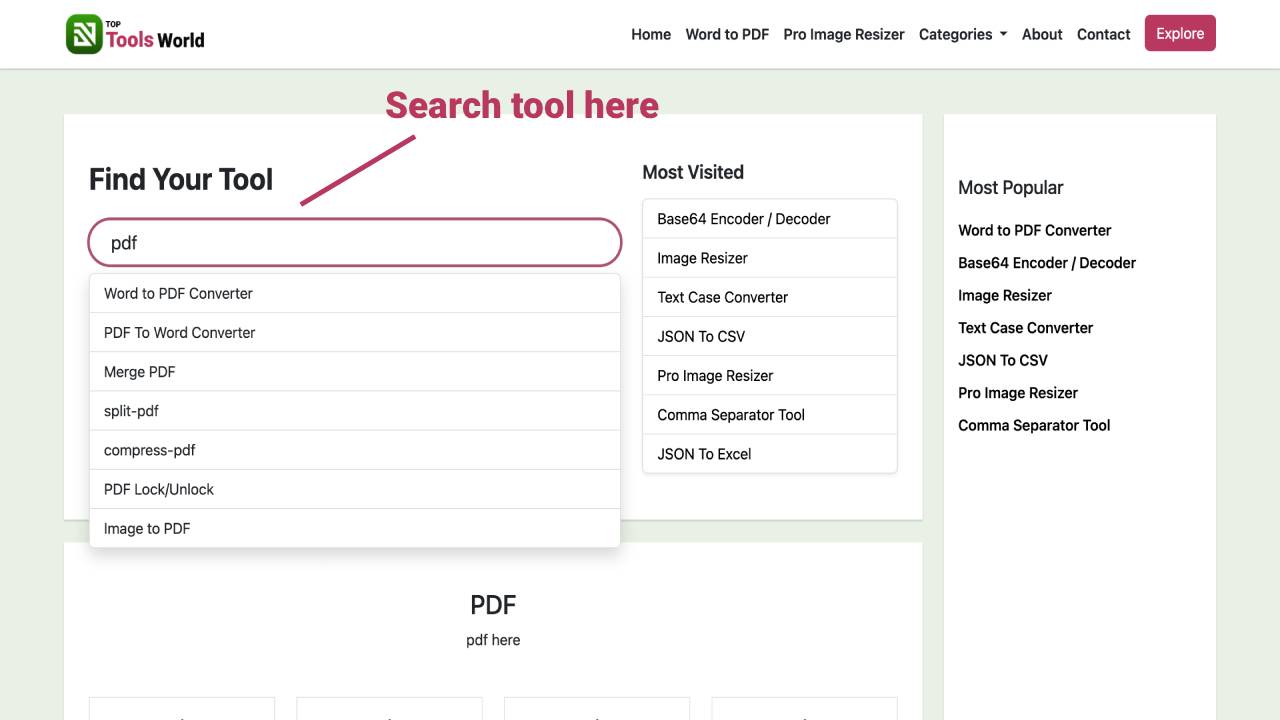
Enter the full domain you want to investigate, such as example.com. For the most accurate match, type the exact spelling and extension (.com, .net, .org, etc.), and avoid adding prefixes like www or protocols.
If you’re researching multiple versions, check them one at a time (for instance example.com, example.net, and example.org) to compare availability, ownership, age, and expiration dates. This helps you plan outreach or choose the best alternative quickly.
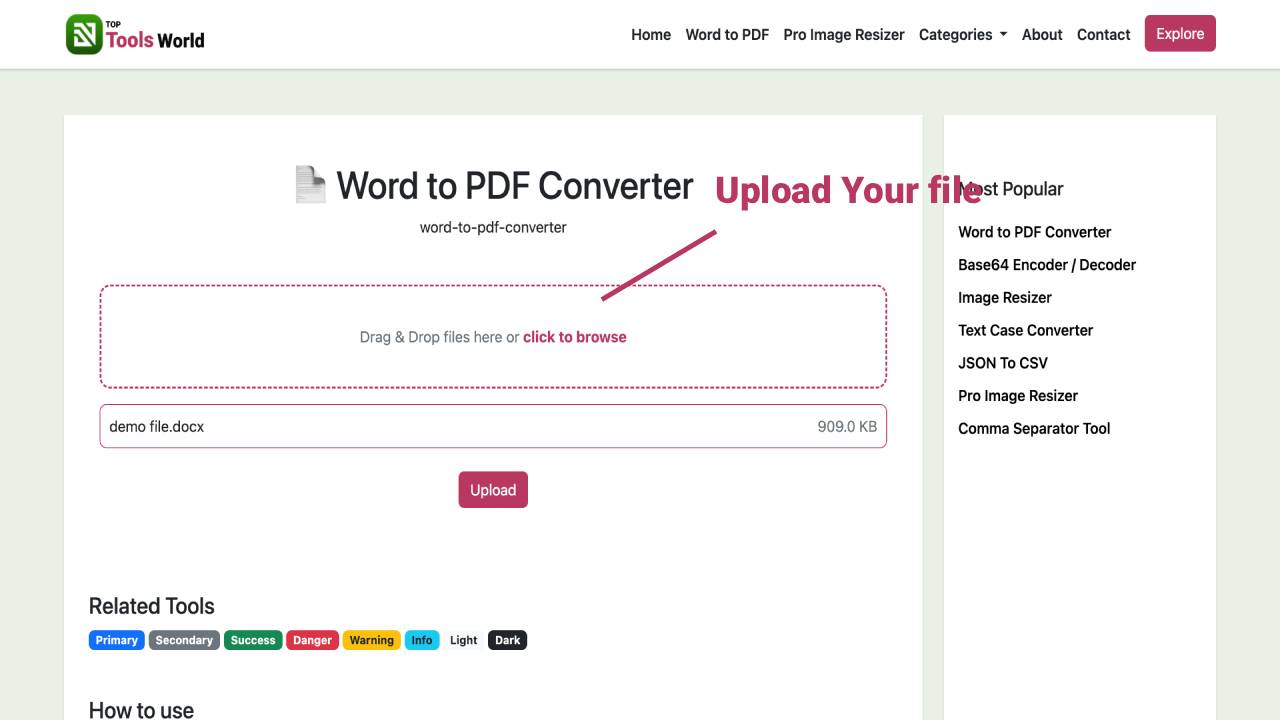
Start the lookup by tapping the action button. The Whois Checker will fetch registration records and prepare a clean, readable report so you don’t have to parse raw data yourself.
Wait a moment while the search completes. On Top Tools World, lookups are optimized for speed, so most reports appear within seconds. If the domain has unusual policies or heavy privacy shielding, results may take slightly longer.
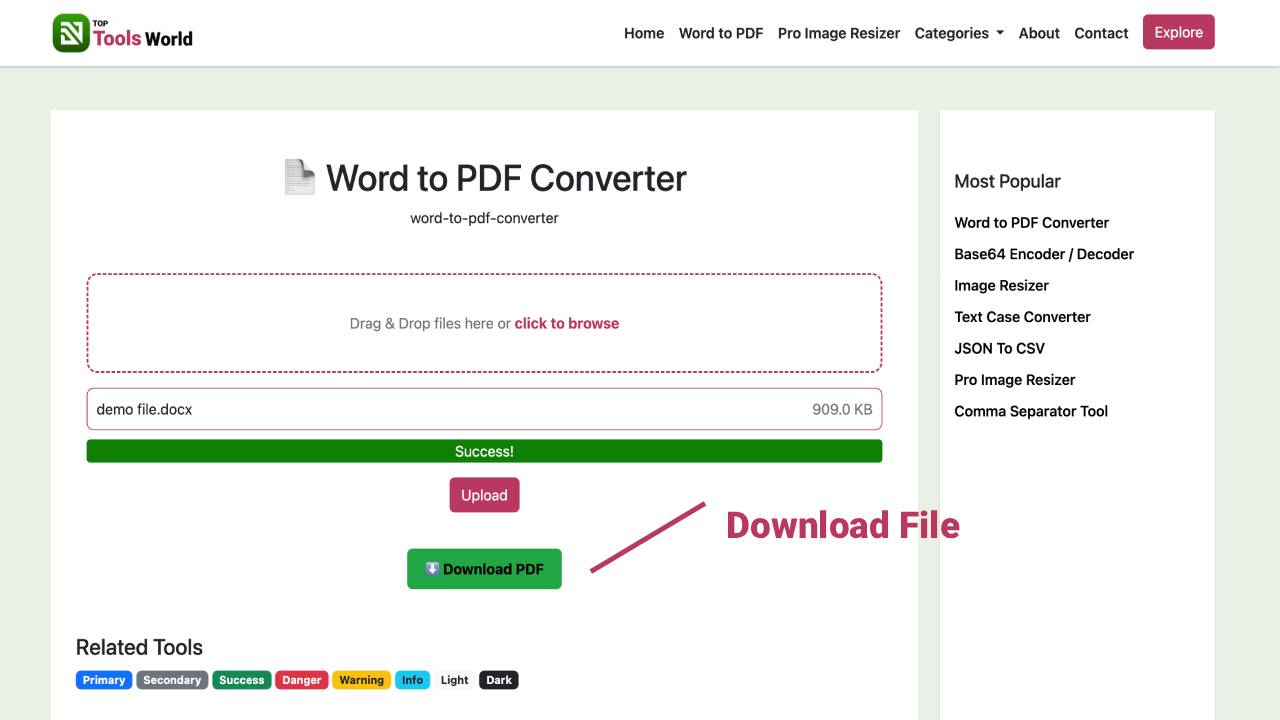
Review the results carefully. You’ll typically see registrar, registrant organization (if public), creation date, expiry date, name servers, domain statuses, and contact channels or privacy notes. Everything is grouped so you can scan it quickly and spot what matters.
Copy or save important details. Many users keep a record of expiration dates, name servers, and domain statuses for auditing, migration checklists, brand monitoring, or renewal planning. This is especially useful for teams managing multiple domains.
Perform deeper checks as needed. Compare different domains, note any privacy-protected entries, and verify whether the domain is locked for transfers or in a status such as clientTransferProhibited or redemptionPeriod, which can affect your next steps.
Use your findings. If you’re negotiating a purchase, troubleshooting DNS, or confirming brand protection, the report gives you the facts you need to act with confidence and document decisions.
Key Benefits of Using Whois Checker on Top Tools World
Whether you’re a marketer, site owner, investor, or IT professional, the Whois Checker on Top Tools World delivers clear insights in seconds.
- Ease of use: A straightforward process with human-friendly results—no jargon overload.
- Accuracy: Key registration details are presented clearly so you can trust what you read.
- Speed: Fast lookups keep your research and workflows moving.
- Reliability: Consistent performance when you need answers for due diligence or troubleshooting.
- Time-saving: Skip scanning raw records—essential facts are highlighted for quick decisions.
- Practical scenarios: Investigate ownership before outreach, verify expiry dates for renewals, confirm name servers before DNS changes, audit domains during security reviews, and evaluate competitors’ digital footprints.
- Plain language: Results are readable and easy to share with non-technical stakeholders.
Why Choose Our Whois Checker? (Unique Advantages)
Top Tools World is built for professionals who want dependable tools without the noise. Our Whois Checker prioritizes clarity, performance, and trust. You get streamlined reports, consistent uptime, and an interface that works beautifully on desktop and mobile.
- Superior experience: Clean layout and readable formatting help you find critical data in moments, even under time pressure.
- Advanced features: Comprehensive fields such as registrar, registration/expiry dates, name servers, and domain status codes—organized for quick decision-making.
- Accuracy and performance: Results load quickly and present the latest available registration data to support confident actions.
- Trust and reliability: Top Tools World focuses on transparency and consistency so you can rely on every search during audits or negotiations.
- User preference: Professionals choose this tool for due diligence, brand protection checks, and day-to-day domain management because it saves time and reduces guesswork.
What is a Whois Checker? A Complete Overview
A Whois Checker is a utility that retrieves public registration information about a domain name. When a domain is registered, essential details are recorded with a registrar and made accessible through the global Whois system. Our tool turns that complex record into a clear, readable snapshot that anyone can understand.
Typical information includes who registered the domain (or a privacy shield if redacted), the registrar, the creation and expiration dates, name servers, and status codes. These fields help you understand who controls the domain, whether it’s active, and how it’s configured from a DNS standpoint.
This is useful in many everyday situations. Buying a domain? Check ownership, age, and expiry to inform negotiations. Protecting a brand? Identify similar domains that might cause confusion. Troubleshooting DNS? Confirm the current name servers and status. Auditing security? Verify that domains are locked, have stable name servers, and are not near expiration.
For example, imagine you discover a blog using your company name with a different extension. Running a quick check on Top Tools World reveals the registrar, status, and potentially the contact method (or the presence of privacy protection). From there, you can plan responsible outreach or legal steps if needed.
Another example: before migrating hosting, a quick look at the name servers and status codes confirms whether a domain is locked, pending transfer, or ready for change—so you can schedule the move without surprises and coordinate DNS updates confidently.
Advanced Tips & Best Practices
- Search the exact domain: Small spelling mistakes change results. Double-check the extension and avoid adding protocols like http:// or https:// for a clean match.
- Compare multiple TLDs: If the .com is taken, check .net, .org, or regional versions. Review age and status to gauge credibility before outreach or acquisition.
- Watch the dates: Creation and expiry dates reveal age and urgency. If a domain is near expiry, set a calendar reminder for follow-up or renewal planning.
- Read status codes carefully: Terms like clientTransferProhibited, serverHold, or redemptionPeriod signal whether a domain can move registrars or is recovering from expiration.
- Verify name servers before changes: Before migrating or updating DNS, confirm current name servers so you can plan TTLs and cutover windows with fewer risks.
- Respect privacy: Many records are intentionally masked for security or regulatory reasons. Use the information responsibly and follow all applicable policies.
- Keep a research log: Save key fields from Top Tools World lookups—registrar, expiry, and status—so your team can track domain health over time and avoid last-minute surprises.
- Cross-check important domains: If the stakes are high (brand assets or key partners), re-check periodically on Top Tools World to ensure no unexpected changes occurred.
FAQs About the Whois Checker
What is Whois data?
It’s the publicly available registration record for a domain, including registrar, dates, name servers, and status codes, with ownership details shown unless privacy is applied.
Why is some information hidden?
Many registrants enable privacy or are protected by regulations, which can redact personal contact details while still displaying key technical fields and dates.
Can I contact the domain owner?
If privacy is enabled, the record may provide an anonymized email or a link to send messages through the registrar. Otherwise, public contacts may be listed for direct outreach.
How current are the results?
The Whois Checker on Top Tools World reflects the latest available records at the time of your search. If a domain was just updated, check again shortly to confirm changes.
Does this work for all domain extensions?
Most common extensions are supported. Some country-code domains have unique policies, so the amount or type of data returned can vary.
Is this tool free?
Yes—Top Tools World makes quick domain lookups fast and accessible without hassle, helping you make informed decisions anytime.
What should I do if the record shows an error?
Verify the spelling and extension, then try again. If the issue persists, the domain might be reserved, newly registered, or governed by a registry with limited public data.
Can this help with brand protection?
Absolutely. Use Top Tools World to monitor similar domains, verify ownership, and check expiry dates so you can act quickly if risks arise.