🕷️ XML Sitemap Generator
Create a precise XML sitemap fast. Copy and submit to search engines with Top Tools World.
How to use
Last updated: a year ago
Step-by-Step Guide to Using the XML Sitemap Generator
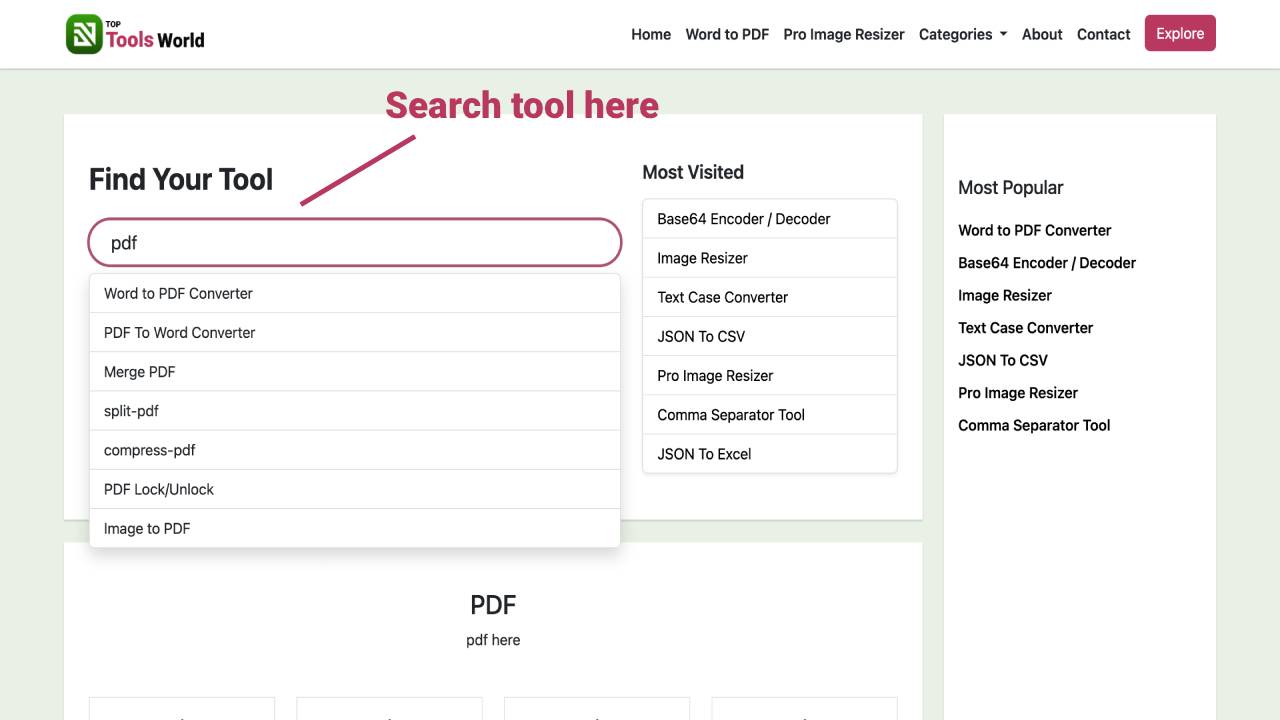
- Open the tool on Top Tools World. You’ll see a clean, intuitive interface designed to help you build a valid XML sitemap without hassle.
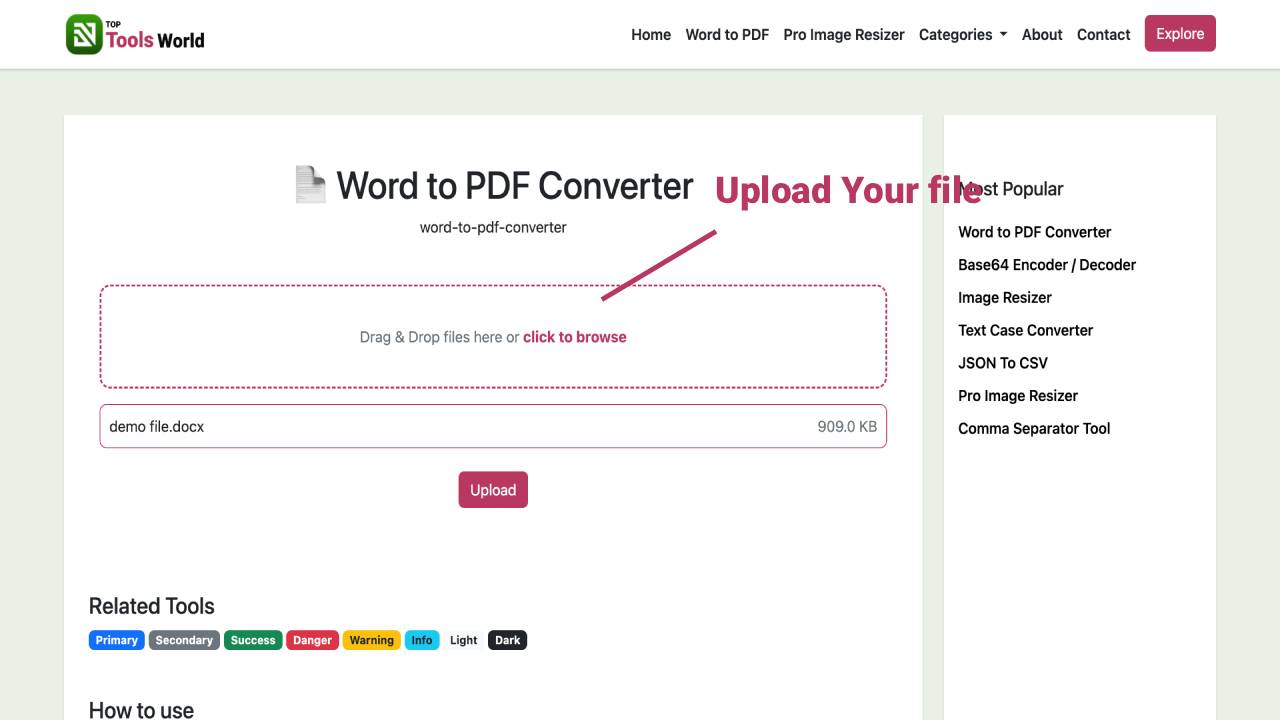
- Enter your website address. Use the full URL (including https://). This ensures your sitemap points to the correct domain and preferred version (with or without www).
- List the pages you want to include. Add your key pages separated by commas, such as the homepage, core categories, product pages, blog posts, and important landing pages. Prioritize indexable, useful pages that you want search engines to discover.
- Choose how often your pages typically change. Pick a general update rhythm that best reflects your content, such as daily for news, weekly for blogs, or monthly for evergreen pages. This helps search engines understand how frequently to revisit your content.
- Optionally set a priority. Indicate relative importance by assigning a higher value to crucial pages (like the homepage) and lower values to less critical pages. This doesn’t guarantee ranking changes, but it can guide crawl focus.
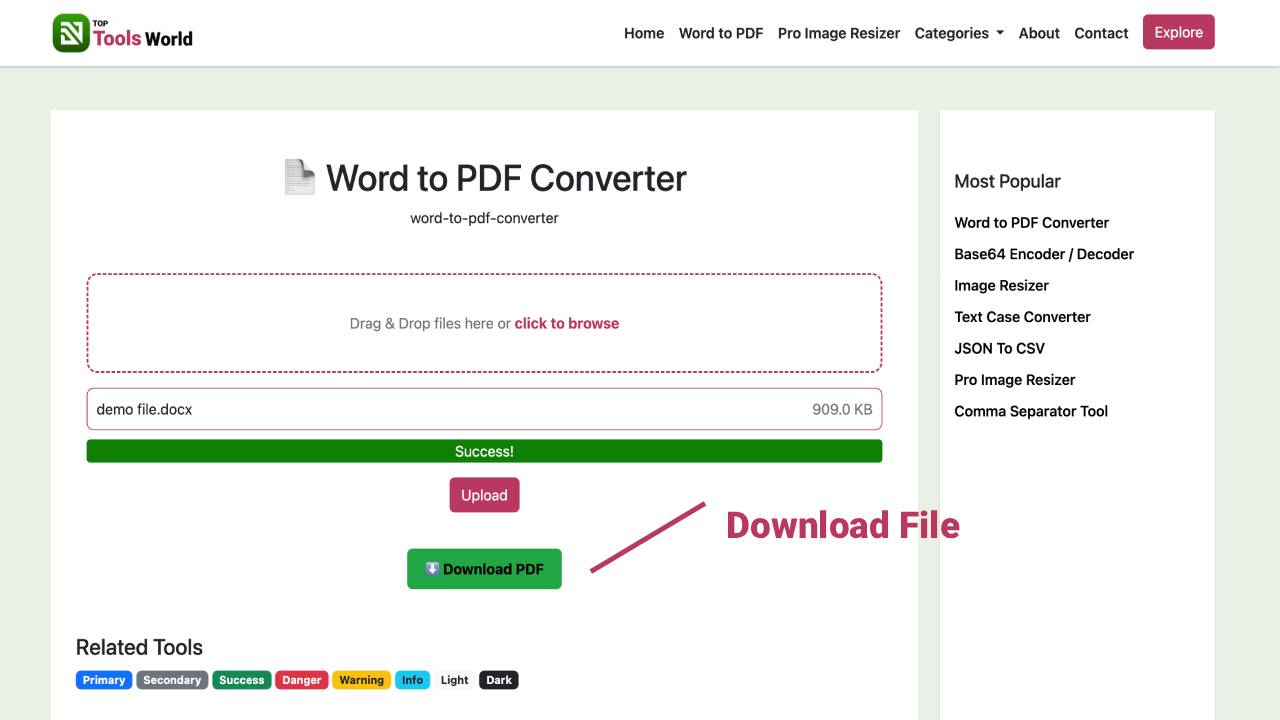
- Generate your sitemap. Start the process and let Top Tools World prepare a clean XML sitemap. You’ll see progress and, within moments, your ready-to-use sitemap appears.
- Review and copy your XML. Quickly scan the generated output to confirm your URLs look correct. Then copy the sitemap content and save it as a file named sitemap.xml on your device.
- Publish your sitemap on your site. Place the sitemap.xml file in your site’s main directory so it’s accessible at yourdomain.com/sitemap.xml. This makes it easy for search engines to find.
- Submit to search engines. Add the sitemap URL in Google Search Console and Bing Webmaster Tools. This helps search engines crawl your pages faster and more reliably.
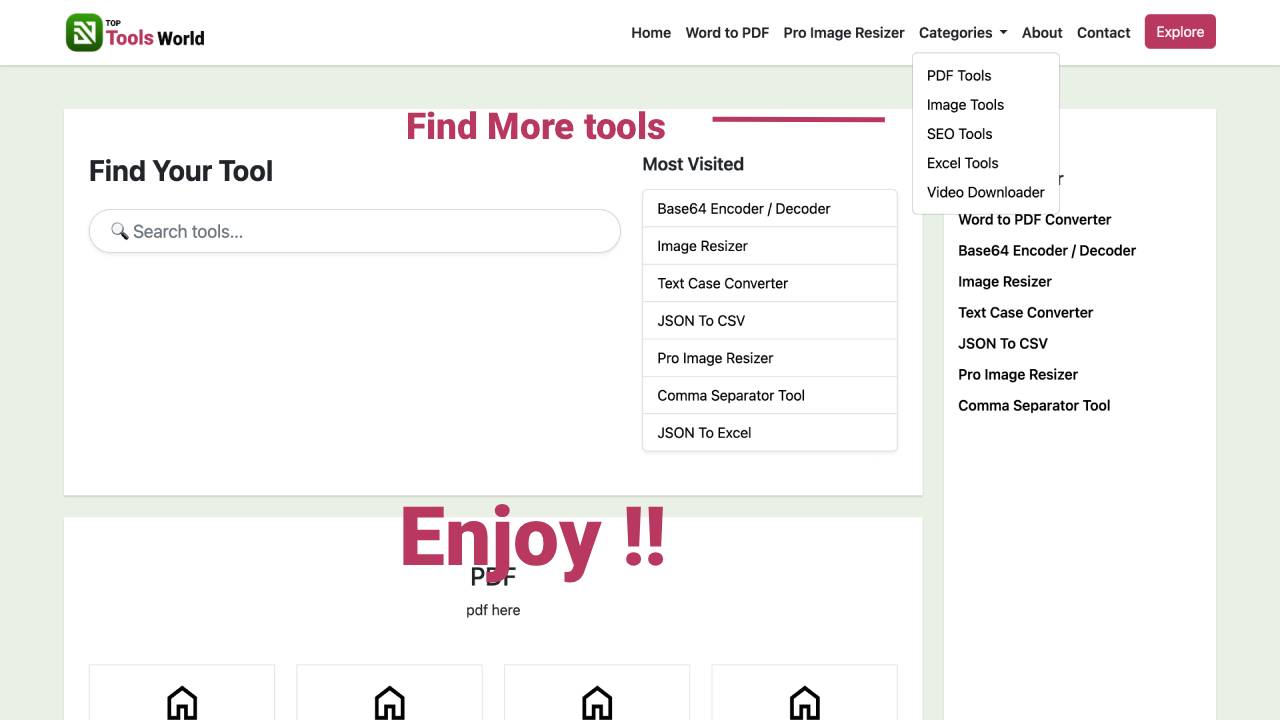
- Keep it fresh. Any time you add or remove important pages, return to Top Tools World and regenerate an updated sitemap. Fresh sitemaps support consistent, efficient indexing.
Key Benefits of Using XML Sitemap Generator on Top Tools World
- Ease of use: Built for everyone—from beginners to pros—so you can create sitemaps without technical steps.
- Accuracy: Structured output helps search engines understand your site’s content and hierarchy correctly.
- Speed: Generate a complete sitemap in seconds, even for large batches of URLs.
- Reliability: Consistent results every time, backed by Top Tools World’s quality standards.
- Time-saving: Cut manual work and focus on content, marketing, and growth.
- Flexible scenarios: Ideal for new site launches, site migrations, content audits, seasonal campaigns, and ecommerce product rollouts.
- Clarity: Human-friendly guidance and clean output make it simple to review and publish.
Why Choose Our XML Sitemap Generator? (Unique Advantages)
Top Tools World delivers a superior experience centered on clarity, speed, and trustworthy results. The interface is streamlined to minimize confusion and maximize productivity. Whether you’re launching a new website or refining an enterprise content library, the tool keeps the process efficient and error-free.
- Advanced usability: Intuitive workflow that guides you from input to completion in a few simple steps.
- Performance you can count on: Fast processing ensures quick turnarounds, so you can move on to submitting and optimizing.
- Precision output: Clean, structured XML that aligns with crawler expectations, supporting consistent indexation.
- Trusted by marketers: Top Tools World is known for dependable utility tools that help improve SEO operations at any scale.
- Built for real-world SEO: Designed around the daily needs of site owners, agencies, and content teams who require dependable sitemaps they can publish instantly.
It’s this blend of speed, accuracy, and simplicity that leads users to prefer Top Tools World for sitemap generation.
What is a XML Sitemap Generator? A Complete Overview
An XML Sitemap Generator is a tool that creates a structured list of your site’s important URLs in a format optimized for search engines. It communicates what pages exist, how they relate, and how frequently they change. While a sitemap is not a direct ranking factor, it plays a key role in crawlability and index coverage—especially for newer sites, complex architectures, or pages that are hard to find via internal links.
Think of your sitemap as a roadmap for search engines. Without it, crawlers must discover pages by following links. If some pages are isolated (orphaned) or buried deep in your site, they might be missed. With a sitemap, crawlers receive a clear, authoritative list of URLs to visit, which can reduce delays and improve consistency in indexing.
Common problems it solves include:
- Discovery gaps: Ensures new or lightly linked pages are seen by crawlers.
- Large site coverage: Helps search engines understand sprawling architectures, categories, and pagination.
- Update signaling: Indicates how frequently content changes, guiding revisit timing.
- Launch and migration support: Speeds up reindexing during site moves, redesigns, or structural changes.
For example, if you run a blog with frequent posts and a few cornerstone pages, your sitemap highlights both types: evergreen pages (like About or Resources) and fresh articles. If you manage an online store, the sitemap can surface important categories and high-value product pages, helping crawlers reach new or seasonal items faster.
By using Top Tools World’s XML Sitemap Generator, you get a dependable, readable sitemap that you can copy, publish, and submit—no complexity required.
Advanced Tips & Best Practices
- Include only indexable pages: Avoid adding pages blocked by noindex or that you don’t want in search results. Quality beats quantity.
- Use your preferred URL version consistently: Stick to either https or http (preferably https), and either with or without www, to avoid duplicates.
- Keep URL paths clean: Be consistent with trailing slashes and avoid parameters unless necessary.
- Prioritize wisely: Give the homepage and key categories higher importance, but don’t set everything to the maximum. Relative differences help crawlers.
- Refresh after updates: Regenerate the sitemap whenever you publish new sections, remove old pages, or reorganize content.
- Add the sitemap location to your robots.txt: This is an easy way to help crawlers discover it automatically.
- Manage size for very large sites: If your site grows substantially, consider splitting into multiple sitemaps and using a sitemap index to stay within common limits.
- Pair with solid internal linking: A sitemap is powerful, but it works best alongside clear navigation and well-structured links.
- Monitor in webmaster tools: After submission, watch for indexing coverage reports and fix any flagged issues.
- Regenerate with Top Tools World: Make periodic updates part of your workflow so crawlers always have your latest roadmap.
FAQs About the XML Sitemap Generator
1) Do I really need an XML sitemap?
While not mandatory, it’s highly recommended—especially for new sites, large sites, or pages that are hard to discover. It improves crawl efficiency and index consistency.
2) How often should I update my sitemap?
Update it whenever you add, remove, or significantly change important pages. For active blogs or stores, regenerating weekly or monthly works well.
3) Will an XML sitemap improve my rankings?
A sitemap doesn’t directly boost rankings, but it helps search engines find and refresh your content faster, which supports better visibility over time.
4) What’s the difference between XML and HTML sitemaps?
XML sitemaps are designed for search engines. HTML sitemaps are for users. Many sites use both: XML for crawlers and a simple HTML page for visitors.
5) How do I submit my sitemap to Google?
In Google Search Console, choose your property, open the sitemaps section, and enter the sitemap URL (for example, yourdomain.com/sitemap.xml). Repeat for Bing Webmaster Tools.
6) How many URLs can a single sitemap contain?
Common limits are up to 50,000 URLs or a file size of about 50MB uncompressed. Large sites can use multiple sitemaps and a sitemap index file.
7) Can I include images or videos?
Yes, specialized sitemaps can include images and videos. Start with a core URL list, then consider advanced sitemap types as your needs grow.
When you’re ready to streamline sitemap creation, Top Tools World is your dependable partner. Use the XML Sitemap Generator on Top Tools World to build, publish, and submit a precise sitemap in minutes—so search engines can do their best work on your content.